
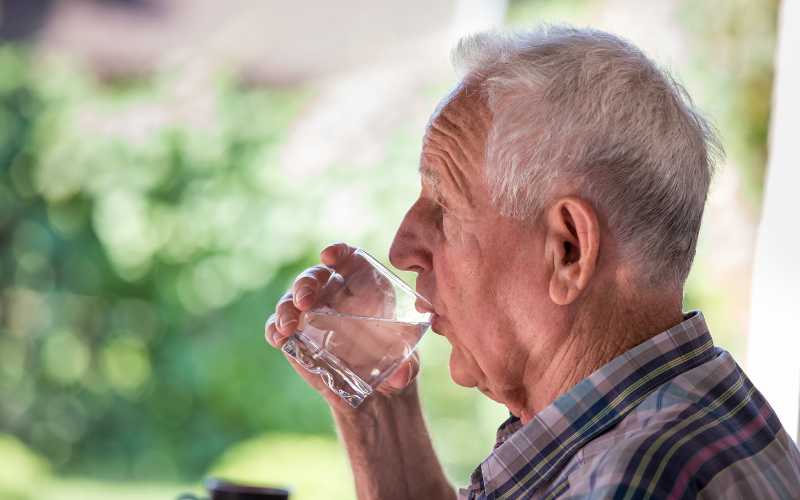
Understanding the importance of hydration for older adults is essential to preventing dehydration and the health issues that can arise from it. Dehydration occurs when the body doesn’t get enough fluids to function properly, and it can quickly become a serious health concern.
In this article, we’ll explore why dehydration is particularly risky for seniors, the common signs to watch for, and practical strategies for maintaining proper hydration. You’ll also learn helpful tips for encouraging fluid intake and other effective ways to stay hydrated every day.
Why Is Dehydration an Issue?
Drinking enough fluids is essential for maintaining your health and overall well-being. When the body doesn’t get enough water, dehydration can occur, leading to a range of symptoms, including:
- Headaches
- Fatigue or tiredness
- Confusion
- Difficulty concentrating
- Constipation
- Urinary tract infections (UTIs)
Detecting dehydration can be challenging, as there isn’t a single test that definitively identifies it. Common signs like thirst, dry mouth, and dark-colored urine may indicate dehydration in many people, but these cues can be unreliable in older adults. That’s why it’s especially important for seniors to monitor fluid intake and watch for other subtle changes in their health.
Why Are Older Adults More Affected by Dehydration?
As we age, staying properly hydrated becomes increasingly important because older adults are more susceptible to dehydration. Some key reasons include:
- Reduced thirst and appetite: As you get older, your body’s signals for thirst may become less noticeable, making it easy to drink less than your body needs.
- Changes in body composition: Aging often brings changes in muscle and fat distribution, which can result in a lower overall water content in the body.
- Medications: Many medications commonly taken by seniors can increase the risk of dehydration.
Being aware of these factors can help older adults and their caregivers take proactive steps to maintain adequate hydration and overall health.
Common Symptoms of Dehydration
Dehydration can manifest in several ways. Common symptoms include:
- Dark-colored urine
- Dizziness
- Irritability
- Dry mouth
- Headaches
- Confusion
- Fatigue
In older adults, dehydration-related tiredness and reduced coordination can increase the risk of falls and injuries. That’s why staying properly hydrated throughout the day is so important. Drinking enough water not only helps prevent these symptoms but also supports overall health and well-being.
Drinking Fluid to Avoid Dehydration

Drinking enough fluids every day is essential to prevent dehydration, especially as we get older. Seniors may need gentle reminders to drink regularly, and it doesn’t always have to be plain water. Other options include tea, coffee, milk, and juice. Drinks can be enjoyed hot, cold, or at room temperature, whatever feels most comfortable.
A simple way to stay hydrated is to create cues throughout your day. For example:
- Drink a full glass of fluid when taking medication
- Have a drink with meals or in between meals
- Include drinks during social occasions, like meeting a friend
Daily fluid recommendations vary as women should aim for at least 54 fluid ounces (~7 glasses) and men about at least 68 fluid ounces (~8.5 glasses). In hot weather or during physical activity, additional hydration is needed. If you’re not used to drinking enough, gradually increase your intake until it becomes a habit.
Choosing the right cup or glass can make a difference. Pick one that is easy to lift and drink from comfortably. If you have any issues with bladder control, talk to a healthcare professional before making changes to your fluid intake.
Helpful Hydration Tips
If you have a reduced appetite or are at risk of malnutrition, there are ways to make sure you stay hydrated while also getting some nutrition:
- Choose drinks that provide extra nutrition, such as malted milk, hot chocolate, or milkshakes.
- Avoid drinking large amounts right before meals, so you don’t feel too full to eat.
- Opt for full-fat versions rather than low-energy options like skimmed or semi-skimmed milk, unless otherwise advised by a healthcare professional.
If you experience difficulty swallowing or notice symptoms related to swallowing, it’s important to consult a healthcare professional. You may need a referral to a speech and language therapist who specializes in swallowing issues. Warning signs include:
- Choking or coughing while drinking
- Changes in the sound of your voice after eating or drinking
- Difficulty swallowing
Addressing these issues early can help you stay hydrated safely and maintain proper nutrition.
Other Ways to Stay Hydrated
There are many simple steps you can take each day to ensure your body gets the fluids it needs. Consider these helpful ideas:
- Choose water-rich foods: Eating foods with a high water content can boost hydration. Good options include watermelon, cucumbers, lettuce, strawberries, tomatoes, and celery. Broths, soups, and stews can also contribute to your daily fluid intake.
- Keep water within reach: Having fluids nearby makes it easier to sip throughout the day. Carry a water bottle with you or keep a filled pitcher or glass close at hand for convenient access.
- Limit alcohol: Alcohol acts as a diuretic, which means it can cause your body to lose more fluids. Reducing alcoholic beverages can help your body retain the water it needs to function properly.
- Add variety: While plain water is one of the best choices for hydration, you can make it more appealing by adding slices of lemon, apple, cucumber, or berries. Other options, such as low-sugar sports drinks or nutritional shakes, can also help increase fluid intake.
Professional Elderly Home Care from Assisting Hands

Keeping up with daily hydration can be challenging for many older adults, especially when changes in appetite, mobility, memory, or health conditions make it harder to recognize thirst or keep fluids nearby. Having consistent encouragement and gentle reminders can make a meaningful difference in preventing dehydration and protecting overall well-being.
At Assisting Hands Home Care, our compassionate caregivers understand how important proper hydration is for seniors. We help keep life comfortable and safe by encouraging hydration with favorite beverages and staying mindful of your overall wellness. By supporting healthy daily habits, we help you maintain the routines that matter most in the comfort of your own home. Whether your loved one needs a few hours of assistance or more comprehensive support, we’re here to help them maintain independence while receiving the care they deserve.
Reach out to Assisting Hands Home Care at (214) 609-1340 if your senior loved ones could benefit from our elderly care services in Frisco, Plano, Allen, Little Elm, Prosper, TX, and the surrounding area.

