
Frequent elimination is critical for care receivers since it affects their health and well-being.
Some of the most essential causes are as follows:
- Enhancing well-being: Regular elimination might make you feel more at ease and energized in general.
- Enhancing bodily function: Regular elimination can ease stress on the body and enhance organ function such as the kidneys and liver.
- Avoiding bowel issues: Irregular evacuation can result in bowel issues such as hemorrhoids and anal fissures.
- Lowering the danger of infections: Frequent elimination can aid in the removal of hazardous chemicals from the body, hence lowering the risk of infection.
- Constipation prevention: frequent elimination can help avoid constipation and intestinal discomfort.
To support regular elimination, care users must drink enough of fluids and eat a nutritious diet. If issues arise, a doctor or other health care expert should be consulted. What excretion-related resources are available to caregivers?
A variety of tools are available to help care recipients with elimination issues. These are a few of the most common:
Pads and diapers for incontinence:
 Incontinence pads and diapers are sanitary goods developed to assist persons who have incontinence issues. Incontinence pads are small, washable or disposable protection pads that are used beneath conventional underwear. They come in a range of sizes and absorption intensities, and they guard against urine leaks. Incontinence diapers are comparable to baby diapers and are commonly used by the elderly or those with serious incontinence issues. They are more comfortable to wear and absorb more than pads. They are available in a range of sizes and thicknesses to accommodate the demands of users.
Both types of incontinence solutions offer protection and comfort, helping persons with incontinence enhance their confidence and quality of life. It is crucial to remember that everyone has distinct requirements and may require a different type of assistance. A medical practitioner can recommend the best assistive device for you.
Hygiene is the end-all and be-all.
Excreta disposal from care recipients is an important element of nursing and health care. Improper excreta disposal can cause major health issues for care recipients, carers, and others in the environment. Excreta from care recipients must be disposed of properly and hygienically. To minimize pathogen transmission, gloves should be used for this reason. After usage, gloves should be completely washed and disinfected. Using protective eyewear is also recommended to reduce infection transmission through the eyes.
Catheter:
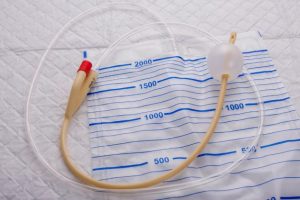
A catheter is a thin, flexible tube used to collect or remove fluids or gases from the body. Catheters are used for a variety of reasons and in different parts of the body, including:
- Urinary catheter: When a person is unable to excrete normally, a urinary catheter is put into the urinary bladder to drain pee.
- Heart catheter: A cardiac catheter is placed into the arteries or veins of the heart to collect data on blood flow and heart status.
- A drainage catheter is used to evacuate fluids from the body, such as in the case of pneumonia or fluid buildup in the abdomen.
- A leak catheter is placed into the stomach to collect and eliminate extra stomach acid.
Catheters are frequently utilized in individuals in need of care to assist them with certain health issues or mobility limits. It’s crucial to remember that using a catheter might come with dangers and problems including infection or discomfort. As a result, before utilizing catheters, a physician or nurse practitioner should be contacted.
Bedpans/basins:
When a person is unable to go to the restroom, they can utilize these unique bowls. They serve as a little toilet in bed and are put beneath the patient’s buttocks to allow the patient to conduct his or her business.
Toilet seats:
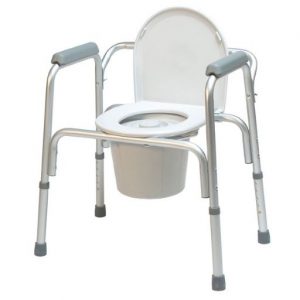
Commode chairs are portable, raised toilets that allow patients to sit and stand more easily. To promote safety and comfort, they frequently incorporate armrests and a non-slip surface. Commode chairs are frequently used in nursing homes and at home to assist persons with disabilities in getting up and sitting down. They can also be beneficial if a person has specific health concerns, such as arthritis or a spinal cord injury. On the market, there are numerous varieties of commode chairs, including affordable ones that conserve space and those with adjustable heights to accommodate the demands of different persons. It should be noted that commode chairs are not the sole choice for those with mobility issues. A healthcare practitioner can advise on the best sort of assistive equipment to use.
Cleaning and disinfecting should be done on a regular basis.
Excreta should be collected as soon as possible and stored in a sealable container. To avoid infection, the container should be cleaned and disinfected on a regular basis. It is also critical to mark the container so that it is clearly identifiable and there is no mistake. It is critical to appropriately document the disposal methods for care recipients’ excreta. This aids in the continual monitoring of hygiene standards as well as the identification and correction of any problems.
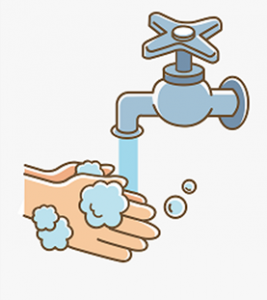
To avoid contamination, it is also necessary to thoroughly clean the patient’s body region following excreta disposal. After coming into touch with the excreta, caregivers’ hands should be properly cleansed.
Another critical step is to educate caregivers on proper excreta disposal. This will aid in the prevention of errors and guarantee that all care receivers receive proper and sanitary treatment.
In conclusion, the sanitary disposal of excreta from care receivers is a critical part of healthcare.

