
As we grow older, our bodies inevitably undergo various changes, many of which can significantly impact our daily lives. One of the most common and often overlooked issues among older adults is sarcopenia, which refers to the loss of muscle mass and strength that comes with age. At Assisting Hands Home Care in North Texas, we recognize the importance of addressing sarcopenia to help our clients stay independent and improve their overall well-being. This detailed guide will cover the causes, symptoms, and management strategies for sarcopenia, providing valuable insights for both seniors and their caregivers.
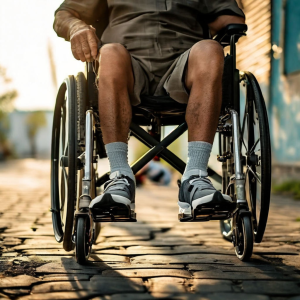
What is Sarcopenia?
Sarcopenia is a condition where muscle mass and strength gradually decrease as we age. This process usually starts around age 30 and continues at a rate of about 3-5% per decade, accelerating after the age of 60. Unlike other age-related conditions, sarcopenia directly affects an individual’s ability to perform daily tasks, which can reduce their quality of life and increase the risk of falls and fractures.
Causes of Sarcopenia
Several factors contribute to sarcopenia, including:
- Aging: As we age, our bodies naturally experience a decline in muscle fibers’ number and size, decreased protein synthesis, and changes in hormone levels, all contributing to muscle loss.
- Physical Inactivity: Leading a sedentary lifestyle speeds up muscle atrophy. Regular physical activity is crucial to maintain muscle mass and strength.
- Poor Nutrition: Inadequate protein intake, vitamin D deficiency, and overall poor nutrition can worsen muscle loss.
- Chronic Diseases: Conditions like diabetes, heart disease, and inflammatory diseases can increase the risk of sarcopenia.
- Inflammation: Chronic inflammation over time can lead to muscle degradation.
- Neurological Decline: Age-related changes in the nervous system can affect muscle function and coordination.
Symptoms of Sarcopenia
Identifying sarcopenia early is key to managing it effectively. Common symptoms include:
- Reduced muscle mass
- Weakness
- Decreased stamina
- Difficulty performing daily activities (e.g., climbing stairs, lifting objects)
- Increased risk of falls and fractures
- Loss of balance and coordination
Diagnosing Sarcopenia
Diagnosing sarcopenia involves a mix of physical assessments and diagnostic tests:
- Physical Examination: Doctors assess muscle strength, mass, and function through various physical tests.
- Imaging Tests: Techniques like dual-energy X-ray absorptiometry (DEXA) scans and MRI can measure muscle mass.
- Biomarkers: Blood tests can help identify underlying causes such as hormonal imbalances or nutritional deficiencies.
The Importance of Early Intervention
Intervening early is vital for managing sarcopenia and preventing it from progressing. Addressing the condition early can help maintain muscle function, lower the risk of falls and fractures, and improve overall quality of life. At Assisting Hands Home Care, we stress the importance of proactive care and offer personalized strategies to help our clients effectively combat sarcopenia.
Managing Sarcopenia
Managing sarcopenia effectively involves a multifaceted approach, including physical activity, nutrition, and lifestyle changes.
1. Physical Activity
Regular exercise is key to managing sarcopenia. A comprehensive exercise program should include:
- Resistance Training: Exercises involving weights or resistance bands help build muscle mass and strength. Aim for at least two sessions per week.
- Aerobic Exercise: Activities like walking, swimming, and cycling improve cardiovascular health and overall stamina. Aim for 150 minutes of moderate-intensity aerobic activity per week.
- Balance and Flexibility Exercises: Yoga, tai chi, and balance exercises enhance coordination and reduce the risk of falls.
2. Nutrition
Proper nutrition is crucial for maintaining muscle mass and function. Important dietary considerations include:
- Protein Intake: Adequate protein is essential for muscle repair and growth. Seniors should aim for 1.0 to 1.2 grams of protein per kilogram of body weight per day.
- Vitamin D and Calcium: These nutrients are important for bone health and muscle function. Ensure sufficient intake through diet or supplements as needed.
- Hydration: Staying hydrated is vital for overall health and muscle function.
3. Lifestyle Modifications
- Avoid Smoking and Limit Alcohol: Both smoking and excessive alcohol consumption can accelerate muscle loss.
- Adequate Sleep: Quality sleep is essential for muscle recovery and overall health. Aim for 7-8 hours per night.
- Stress Management: Chronic stress can contribute to muscle breakdown. Practice stress-reducing techniques like mindfulness, meditation, and deep breathing exercises.
Role of Caregivers in Managing Sarcopenia
Caregivers play a crucial role in supporting seniors with sarcopenia. At Assisting Hands Home Care in North Texas, our caregivers are trained to provide personalized care that addresses each client’s unique needs. Here are some ways caregivers can help:
- Exercise Assistance: Helping clients with their exercise routines to ensure they are performed safely and effectively.
- Nutritional Support: Preparing balanced meals that meet the dietary needs of seniors, including adequate protein and essential nutrients.
- Fall Prevention: Implementing strategies to prevent falls, such as removing tripping hazards, installing grab bars, and encouraging the use of assistive devices.
- Emotional Support: Providing companionship and emotional support to reduce feelings of isolation and depression, which can negatively impact physical health.
Innovative Approaches to Sarcopenia Management
Research into sarcopenia is ongoing, and new treatment strategies are emerging. Some innovative approaches include:
- Pharmacological Treatments: Certain medications are being studied for their potential to slow muscle loss and improve muscle function.
- Hormone Replacement Therapy: In some cases, hormone replacement therapy (e.g., testosterone or growth hormone) may be considered to combat muscle decline.
- Nutritional Supplements: Supplements such as creatine, beta-alanine, and branched-chain amino acids (BCAAs) are being explored for their potential benefits in preserving muscle mass.
- Technology-Based Interventions: Wearable devices and mobile apps can help monitor physical activity and provide personalized exercise recommendations.
Conclusion
Sarcopenia is a significant concern for older adults, but with the right strategies, it is possible to manage and even reverse its effects. At Assisting Hands Home Care in North Texas, we are committed to helping our clients maintain their independence and improve their quality of life through personalized care plans that address sarcopenia and other age-related conditions. By incorporating regular physical activity, proper nutrition, and lifestyle modifications, seniors can continue to lead active and fulfilling lives.
If you or a loved one is experiencing symptoms of sarcopenia, contact Assisting Hands Home Care today. Our team of dedicated caregivers is here to provide the support and guidance needed to manage this condition effectively.

