
Quick Summary
This guide covers 10 product categories that help seniors stay safe and independent at home, from adaptive clothing and non-slip footwear to mobility aids, bathroom safety equipment, and senior-friendly electronics. Each section explains what to look for and why it matters, so you can make practical choices based on your loved one’s specific needs. If daily tasks are becoming harder to manage even with the right products in place, Assisting Hands Home Care provides personalized in-home support for seniors in Frisco, Plano, Allen, Little Elm, and Prosper, TX.
Aging in place is what most older adults prefer. They want to stay in their own home, on their own terms, for as long as possible. But as mobility, grip strength, and balance change over time, the home that once felt familiar can start to feel like a series of small obstacles.
The right products can remove most of those obstacles without requiring major renovations or full-time help. This article covers 10 categories of practical tools that help seniors move more safely, manage daily routines independently, and stay connected so they can keep living life on their own terms.
1. Adaptive Clothing That Makes Dressing Easier
Getting dressed is one of the first daily tasks that becomes difficult when hand dexterity or shoulder mobility starts to decline. Adaptive clothing replaces traditional buttons, zippers, and tight necklines with easier alternatives: Velcro closures, magnetic snaps, open-back designs, and elastic waistbands.
Look for: pants with hook-and-loop fasteners, back-snap shirts, and pullover tops with wider openings. These options work whether a senior is dressing independently or with caregiver assistance, and they look like regular clothing, preserving dignity without sacrificing function.
2. Non-Slip Footwear for Better Stability
Falls are the leading cause of injury among adults 65 and older, and footwear is one of the most overlooked contributors. Knowing what to do after a senior loved one falls is just as important as taking steps to prevent them in the first place. Socks on hardwood floors, worn-out soles, and unsecured footwear all increase fall risk significantly.
- Textured, slip-resistant soles that grip both indoor and outdoor surfaces
- Velcro or elastic closures that are easy to put on independently and stay secure
- Firm heel support to stabilize the ankle
- Lightweight materials to reduce leg fatigue during walks or therapy
Good footwear doesn’t just reduce falls. It builds the confidence to keep moving.
3. Mobility Aids for Safe, Confident Movement
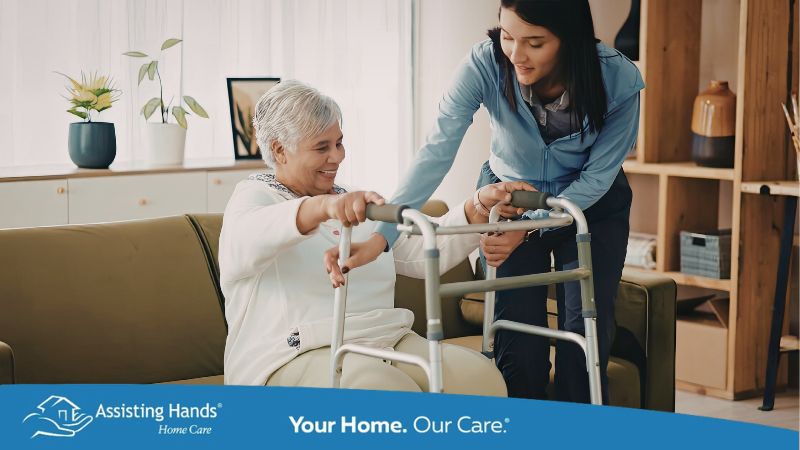
The right mobility aid can mean the difference between staying active and becoming isolated at home. Reduced muscle strength is one of the main reasons seniors need mobility support, a condition known as sarcopenia that affects many older adults and is worth understanding. These tools are not a sign of decline. They are a practical way to keep moving safely
- Canes for mild balance issues or light support on one side
- Walkers that provide four-point stability for those who need more support
- Rollators, which are wheeled walkers with a built-in seat, useful for those who need to rest during longer distances
- Transport or full-size wheelchairs for seniors with more limited mobility who still want to stay engaged at home and in the community
The right choice depends on the individual’s strength, balance, and how much of the home and community they want to navigate independently. An occupational therapist can help with proper fit and selection.
4. Home Safety Equipment That Reduces Fall Risk
You don’t need to remodel a home to make it significantly safer. A few strategic additions to the right locations can dramatically reduce the risk of falls and injuries. Key upgrades to prioritize:
- Grab bars in the bathroom next to the toilet and inside the shower or tub
- Shower chair or bench that allows bathing while seated, reducing slip risk
- Raised toilet seat to ease the sit-to-stand transition, especially for those with hip or knee issues
- Bed rails that provide something to push against when getting in and out of bed
- Non-slip bath mats both inside the tub and on the bathroom floor
- Night lights and motion-sensor lighting in hallways, bathrooms, and bedrooms to improve visibility overnight
These changes are low-cost, easy to install, and can be put in place in a single afternoon.
5. Daily Living Aids That Handle the Small Stuff
The hardest tasks aren’t always the biggest ones. Picking something up off the floor, opening a jar, pulling on a sock. These small challenges add up and can quietly erode a senior’s sense of independence. Practical tools that make a real difference:
- Reachers and grabbers that extend reach for items on high shelves or the floor without bending
- Dressing sticks to help with pulling up pants or pushing off shoes without straining
- Sock aids that allow putting on socks without bending at the waist
- Easy-grip utensils with built-up handles to reduce strain for those with arthritis or weak grip
- Electric jar openers that eliminate the wrist torque needed for tight lids
These tools keep seniors in control of their own routines with less frustration and less reliance on others for small tasks.
6. Personal Care and Hygiene Products
Maintaining hygiene is directly tied to a senior’s sense of dignity, comfort, and overall health. When the tools make the task manageable, seniors are far more likely to maintain consistent routines. Helpful products include:
- Long-handled bath sponges to reach the back and lower legs without bending
- Electric toothbrushes that require less manual dexterity than manual brushing
- No-rinse cleansing products useful when full bathing is difficult or tiring
- Easy-grip grooming tools including nail files, combs, and brushes with larger, ergonomic handles
For caregivers, these products also make personal care routines smoother and more comfortable for both parties.
7. Senior-Friendly Electronics for Connection and Safety
Isolation is one of the most serious health risks for older adults. Technology, when it’s designed to be accessible, can keep seniors connected to family, engaged with the world, and safer in their homes. What actually works for seniors:
- Large-icon smartphones or tablets with simplified interfaces for video calls and messaging
- Smart speakers like Amazon Echo or Google Nest for hands-free answers, reminders, music, and calls using only voice commands
- Medical alert systems and wearable devices that allow a senior to call for help with one button press, even if they can’t reach a phone
- Easy-to-use streaming devices with simple remotes and fewer buttons for TV and entertainment
These tools provide both safety and engagement, two things that directly support a senior’s quality of life at home.
8. Comfort and Sensory Items for Emotional Well-Being
A senior’s physical environment has a measurable impact on their stress, mood, and sense of security, especially for those living with memory loss or cognitive decline. Helpful comfort items include:
- Weighted lap pads or blankets that provide calming sensory input and warmth
- Fidget blankets or textured items offering gentle, repetitive stimulation that can ease anxiety
- Aromatherapy products with calming scents like lavender that can reduce agitation and promote relaxation
- Activity kits including puzzles, coloring books, knitting supplies, and craft kits that keep the mind engaged without frustration
- Familiar keepsakes and photos as personal touches that reinforce identity and reduce disorientation
For seniors with dementia or anxiety, these items aren’t extras. They’re an important part of daily care.
9. Furniture Designed for Comfort and Safe Transitions
The furniture in a senior’s home should be working for them, not against them. Standard sofas and chairs that are too low, too soft, or without armrests can make it genuinely difficult to sit and stand safely. Furniture features worth prioritizing:
- Lift chairs that gently raise the user from seated to standing, reducing strain on knees and hips
- Adjustable beds that allow elevation of the head or legs for better comfort, circulation, and breathing
- Ergonomic recliners with firm cushions for supportive seating during extended rest
- Dining chairs with armrests that are easier to push up from after meals
- Raised seat cushions as a simple, low-cost way to add height to existing chairs
The goal is furniture that supports transitions: sitting down, standing up, and getting in and out of bed. These are the moments when falls most often occur.
10. Practical Accessories That Add Up to Real Comfort
Sometimes it’s the small things that make the biggest difference day to day. A few well-chosen accessories can reduce frustration, improve organization, and add a layer of personal comfort to a senior’s routine. Worth considering:
- Pill organizers with weekly or monthly layouts to help avoid missed or doubled doses
- Non-slip slippers with closed backs that are safer than loose slippers around the house
- Large-print calendars and books to reduce eyestrain and keep daily routines visible
- Magnetic clasp jewelry that allows seniors to put on and take off jewelry independently
- Labeled storage containers to reduce confusion and keep important items easy to find
- Soft lap blankets for warmth and comfort during rest
These items are inexpensive and easy to introduce gradually as needs change.
How to Choose the Right Products
Start with the specific challenges your loved one is currently facing, not a general checklist. A senior with arthritis has different needs than one managing balance issues, and buying the wrong products creates clutter and frustration, not solutions. A few guiding principles:
- Prioritize safety and ease of use above aesthetics or cost
- Look for features like non-slip grips, large controls, and lightweight materials as these signal thoughtful design
- Introduce one or two items at a time since too many changes at once can be overwhelming
- Consult an occupational therapist for specific recommendations around mobility aids, home modifications, and daily living tools to prevent costly trial and error
When Products Aren’t Enough: Get In-Home Care Support
The right products can extend independence significantly, but they work best as part of a broader support plan. A well-organized, well-lit home with the right tools in place can allow many seniors to manage their daily lives comfortably for years.
But when tasks like bathing, medication management, meal preparation, or safe mobility become too challenging to manage alone, in-home care provides the added layer of support that keeps seniors safe without requiring a move to a facility.

If you’re in the Frisco, Plano, Allen, Little Elm, or Prosper, TX area, Assisting Hands Home Care provides personalized senior care services tailored to your loved one’s specific needs, from help with daily tasks to companionship and personal care, always delivered with dignity and respect.
Call (214) 609-1340 to talk through what kind of support would help most, or to schedule a care consultation.
Frequently Asked Questions
Does Medicare or insurance cover any of these products?
Medicare generally does not cover daily living aids or adaptive clothing. However, it may cover certain durable medical equipment such as walkers, wheelchairs, and hospital beds if prescribed by a doctor. Medicaid coverage varies by state, so it is worth checking with your provider or a benefits counselor to see what your loved one qualifies for.
How do I know if a senior is ready for mobility aids or home modifications?
Common signs include holding onto walls or furniture when walking, avoiding certain rooms or activities, unexplained bruises, or expressing fear about falling. You do not need to wait for a fall to happen. An occupational therapist can do a home safety assessment and make recommendations before a problem occurs.
What is the difference between a rollator and a standard walker?
A standard walker is picked up and moved with each step, offering maximum stability. A rollator has wheels and glides forward continuously, which is easier for seniors who have enough balance but tire quickly. Rollators also have a built-in seat, making them useful for those who need to rest during longer distances indoors or outside.
How do I introduce these products to a senior who resists help?
Resistance is common and usually comes from a fear of losing independence rather than stubbornness. Frame the products as tools that extend independence rather than signs of needing care. Starting with one small, practical item, like a reacher or a pill organizer, tends to work better than introducing multiple changes at once.

