
Anyone who has ever adored a cute puppy or heard a nice cat purr understands that animals have a good and profound impact on the majority of humans. Animals provide companionship and comfort to elders in a variety of ways. While aging can be lonely, and once-loved hobbies may become less enticing, connection with pets or animals may be more appealing. Animals, ranging from cats and dogs to bunnies and fish, are frequently used to give therapy to elders. Birds, fish, and smaller creatures take up less area and require less maintenance. Even though they require less overall care, these animals can nonetheless contribute to a more pleasant environment simply by being present. Spending time with our beloved pets is a common and effective kind of rehabilitation for the elderly.
Health Advantages
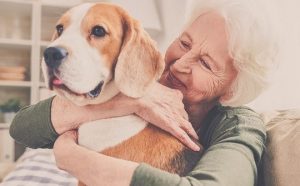
Animals are not only attractive and cuddly, but they may also bring health advantages such as stress reduction and blood pressure reduction. They are also effective at alleviating emotions of despair and loneliness. Seniors who have pets or visit animals might benefit from increased physical exercise and social engagement. Some studies have even found that interacting with animals helps elderly persons with memory difficulties recall long-forgotten memories. Spending time with animals fosters a connection with nature, which can result in the production of endorphins, resulting in a happier, healthier mind. A dog or cat’s wonderful affection goes a long way toward making us feel cherished, soothed, and joyful.
Therapy Animals
Gifting a furry pet to a loved senior might have some drawbacks. Some seniors are unable to acquire a pet for a variety of reasons, such as location or incapacity to care for one, or they may not want the burden. Seniors and caregivers must talk about what it means to possess a pet. The good news is that seniors do not have to possess a pet or animal in order to enjoy the comfort and companionship they want. Registered therapy animals are increasingly accessible for visits to nursing homes, hospitals, and community organizations. Another alternative is to spend time with the animals at a local shelter or farm. Spending time with such creatures can foster a basic bond that would not otherwise exist.
Make it happen
Professionals advise elders to seek companionship in whichever form they feel most comfortable. Animal therapy can be quite useful to many individuals, but it may only be for a few. If having a pet is an option and a desire for an elderly person, carers and loved ones can assist in making that happen. If having an animal is not an option, caregivers and loved ones can arrange for elders to visit and interact with animals in the community, whether at a shelter, farm, or through licensed therapy animal organizations. The objective is always to ensure that older people may interact with and receive treatment in whatever way is most beneficial to them, and animal therapy is only one method to do so.

