
A stroke may be a life-altering event, and adequate treatment and support are critical for a full recovery. After a stroke, home care can help prevent complications, enhance healing, and improve overall quality of life. In this blog article, we’ll discuss some ideas and best practices for stroke home care.
Understand the effects of stroke
Understanding the consequences of the stroke is the first step in home care after a stroke. The degree and location of the stroke can result in a variety of physical, emotional, and cognitive repercussions. One-sided weakness or paralysis, trouble speaking or interpreting language, and changes in attitude or behavior are also common adverse effects. Knowing these consequences might assist you and your loved ones in planning and preparing for home care.
Manage medications and appointments
Keeping track of prescriptions and appointments is critical to a good recovery. Patients suffering from a stroke may require a variety of medications, including blood thinners, cholesterol-lowering treatments, and medications to control blood pressure or avoid seizures. It is critical to follow your doctor’s orders and take drugs as directed. Keeping note of doctor’s, therapist’s, and other healthcare professionals’ visits is also essential for tracking progress and changing therapy as required.
Promote independence and mobility
Increasing independence and movement is critical in stroke home care. Patients may require assistance aids such as a cane, walker, or wheelchair depending on the severity of the stroke. Physical therapy can also help with mobility and lowering the chance of falling. Small house adjustments, such as putting grab bars in the bathroom or clearing clutter, can also help to encourage independence and safety.
Prevent falls and accidents
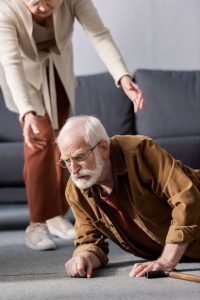
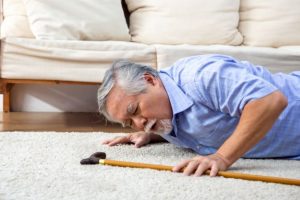
Accidents and falls are a significant source of anxiety for stroke victims. Make sure your house is well-lit and clear of tripping hazards to avoid falls. Add stairwell and bathroom railings, and think about utilizing a shower chair or bath bench. It is also critical to wear appropriate footwear and to utilize assistive gadgets as needed.
Seek emotional support and coping strategies
Dealing with the emotional consequences of a stroke is a crucial aspect of home care. Sadness, anxiety, and mood swings are all prevalent following a stroke. Getting emotional support from family, friends, or a therapist might be beneficial. Learning coping mechanisms, such as mindfulness or relaxation techniques, can also aid in stress management and general well-being.

To summarize, home care by Assisting Hands Frisco after a stroke is critical for a good recovery. Stroke patients can enhance their quality of life and restore their independence by recognizing the consequences of stroke, managing prescriptions and appointments, boosting independence and mobility, reducing falls and accidents, and obtaining emotional support and coping skills. We serve you and your family in Frisco, Plano, Prosper, Little Elm, Allen and surrounding areas.

