
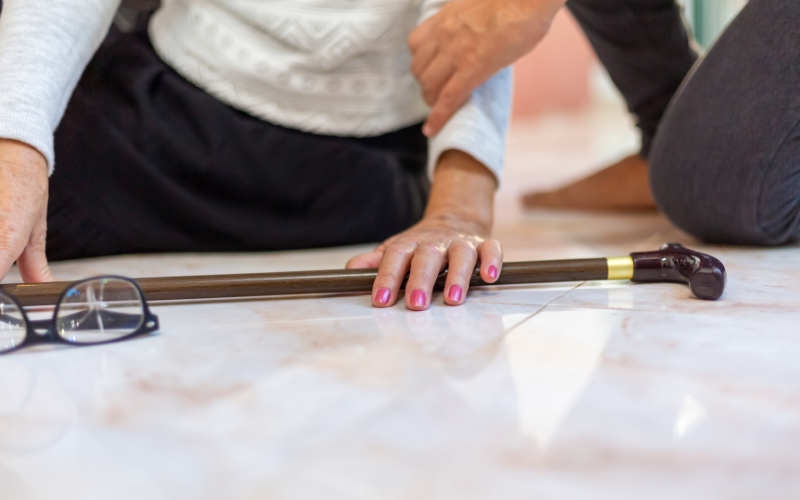
The risk of falling increases as we age, with millions of Americans over 65 experiencing falls each year. Given how common these accidents are, it’s essential for caregivers to know how to respond effectively. Here’s what you need to do if an aging loved one takes a fall.
How Common Are Falls?
According to the Centers for Disease Control (CDC), over one in four older adults experience a fall each year. Of those who fall, one in ten sustain injuries severe enough to limit their daily activities for at least one day. Each year, falls lead to one million hospitalizations among the elderly.
The CDC also reports that nearly 319,000 seniors suffer hip fractures annually due to falls and falls account for three million emergency room visits each year. Among the aging population, falls are the leading cause of traumatic brain injuries.
What Causes Seniors to Fall?
A number of age-related factors are behind falls in seniors. Risk factors include lower body weakness, vitamin D deficiency, and medications that affect balance. Vision problems, home hazards, and foot pain are also common causes of falls in the older adult population.
What Should Caregivers Do When a Senior Falls?
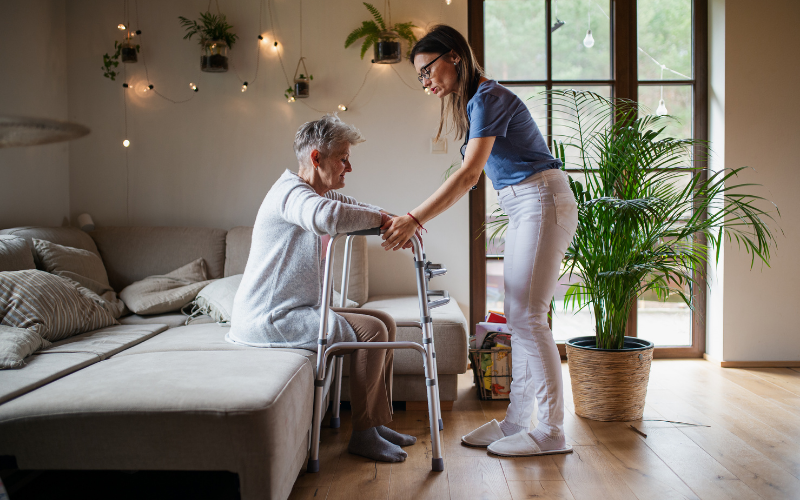
While the statistics surrounding falls are alarming, it’s a relief to know that many falls do not lead to severe injuries. However, about one-third of seniors who fall require medical treatment for injuries, such as broken bones (wrist, arm, ankle) or a head injury.
Assess the Situation
When a senior falls, the first thing a caregiver must do is assess the situation. Check if the older adult is conscious and breathing. If they do not respond, call 911. If the senior is conscious but unable to get up independently, call a healthcare professional for medical assistance.
Check for Injuries
Signs of a broken bone, such as difficulty moving the body part or bearing weight on it, should prompt a call to 911. Also look for cuts, bruises or swelling and provide first aid. Ask the senior if they experience pain in the back of their head, neck or limbs.
Keep Them Stationary
Keep the older person as still as possible until the paramedics arrive; avoid moving the senior as it can worsen their injury. Provide the elderly individual with hydration and warmth so they remain comfortable. Reassure the senior that help is on its way.
Carefully Help Them Up
The older adult may not show signs of major injuries and just needs help getting up. In such cases, assist the senior but do not attempt to physically lift them. Caregivers who try to lift an elderly individual without proper training risk injury to themselves and the care recipient.
Instead, place one sturdy chair by the senior’s head and another by their feet. Help the older person roll onto their side and get on their hands and knees. Instruct the senior to rise up and place their hands on the seat of the chair and assume a kneeling position.
Ask the senior to lean forward, using their strongest leg. At this point, one foot should be flat on the floor. Move the second chair behind the senior so that they are able to push themselves up with their hands and sit back on the chair.
Throughout this process, the caregiver should provide assistance but allow the senior to shoulder the task of lifting themselves. Once the older person is seated, ask them to remain there until they are confident that they are able to move around again without stumbling or falling.
Notify Their Doctor
Immediately notify the senior’s doctor of the fall. The CDC reports that less than half of all seniors who fall tell their physician. Repeated falls can indicate an underlying medical condition that warrants attention. Be vigilant for dizziness, headaches or pain over the next 24 to 48 hours.
How Do Caregivers Reduce Seniors’ Fall Risks?
Caregivers can help prevent falls in aging loved ones by making simple yet effective adjustments to their environment and daily routines. Start by clearing clutter from walkways to eliminate tripping hazards. For seniors who wear house slippers, ensure they have non-slip soles and fit securely to provide proper support.
Encourage regular, gentle exercises to improve balance and strength, reducing the risk of falls. Activities like standing marches, head rotations, and leg raises are particularly beneficial and should be done three to five times per week for optimal results.
Additionally, schedule a visit with the senior’s doctor to review any potential side effects from medications, supplements, or over-the-counter drugs that may cause dizziness or confusion. Adjusting their medication can help address these symptoms and lower the chance of falls. With these proactive steps, you can create a safer and more supportive environment for your loved one.
Assisting Hands Home Care Helps with Fall Prevention
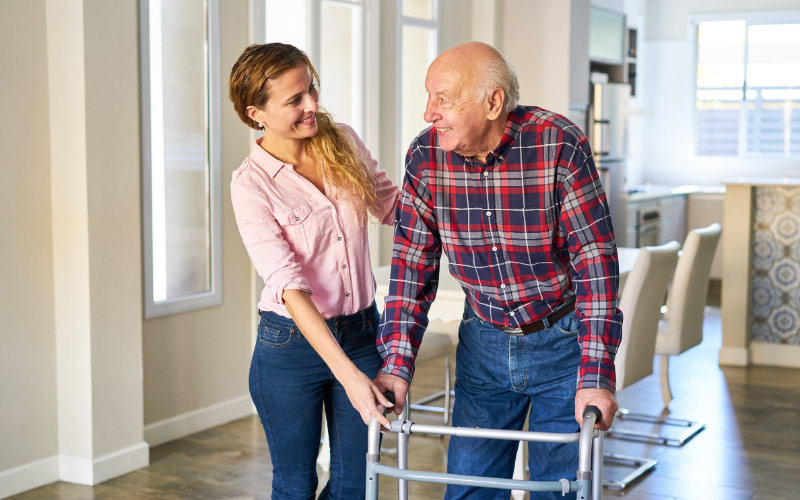
Falls are one of the most common, and most serious health risks older adults face, but many of them can be prevented with the right care and proactive planning. From creating a safe home environment to encouraging balance and strength exercises, caregivers play a critical role in reducing risks and protecting seniors’ independence.
In-home care services from Assisting Hands Home Care provide valuable support for fall prevention by assisting with daily mobility, removing household hazards, and offering supervision during activities that may otherwise put seniors at risk. Our caregivers can also encourage healthy routines, monitor for side effects from medications, and provide immediate help if a fall does occur. With the right support in place, seniors can feel safer, more confident, and better protected in the comfort of their own homes.
If you’re concerned about your loved one’s fall risk, our compassionate in-home caregivers are here to help. Give us a call at (214) 609-1340) to schedule a consultation for our senior home care services in Frisco, Plano, Allen, Little Elm, Prosper, TX.

