

Caring for aging parents can bring siblings closer together, but it can also create tension, misunderstandings, and hurt feelings. Differences in opinions, caregiving styles, schedules, finances, and expectations often emerge as families work to meet a parent’s changing needs. Without clear communication and shared understanding, even well-intentioned efforts can lead to conflict.
The good news is that caregiving does not have to strain sibling relationships. With the right approach, families can work together more effectively and create a more supportive and rewarding experience for everyone involved. Here are practical tips to help siblings care for aging parents as a team while maintaining healthy family relationships.
Establish Clear Roles and Share Caregiving Responsibilities Fairly

Caregiving responsibilities are rarely divided evenly among siblings. In many families, one sibling gradually takes on most of the day-to-day caregiving tasks, which can lead to exhaustion, stress, resentment, and eventually caregiver burnout. Over time, this imbalance can place strain not only on the caregiver but also on sibling relationships.
Instead of allowing frustration to build into conflict, siblings can work together as a team to support their aging parents more effectively. Open communication, honest conversations about availability and limitations, and clearly defined expectations can help families create a practical senior care plan. When responsibilities are shared more fairly, siblings can reduce stress, strengthen family relationships, and provide better support for their aging parents.
Tip 1: Discuss Care Early
Siblings who begin conversations with their parents early about wishes, needs, and preferences are far better prepared to handle difficult decisions later. Proactive discussions help clarify expectations and reduce the risk of misunderstandings or conflict down the road.
Tip 2: Create a Flexible Care Plan
Using insights from these early conversations, develop a flexible care plan that can evolve as your parents’ needs change. Key topics should include finances, healthcare preferences, and living arrangements. If needed, involve a neutral third party to help guide the discussion and keep it productive.
Tip 3: Consult Professionals When Needed
Consider working with a family counselor experienced in mediation to help resolve conflicts, or an elder law attorney to create formal caregiving agreements. These legal arrangements can also protect a sibling’s income and retirement savings if they step away from work to provide full-time care.
Tip 4: Identify Each Sibling’s Strengths
Every sibling brings different strengths to the caregiving team. One may be better suited to managing finances from a distance, while another who lives nearby may excel at providing hands-on care and emotional support. Recognizing these strengths helps build a more effective care system.
Tip 5: Delegate Responsibilities Fairly, Not Equally
Caregiving roles should be assigned based on ability, availability, and proximity, not strictly divided equally. Openly discussing what each sibling can realistically contribute helps prevent resentment and ensures responsibilities are distributed in a way that is both fair and sustainable.
Tip 6: Share a Centralized Care Schedule
A shared caregiving schedule helps keep everyone organized and informed. Whether using a digital tool or a shared calendar, clearly tracking responsibilities ensures nothing is overlooked. Tools like Google Calendar or platforms such as Lotsa Helping Hands make it easy to coordinate tasks like appointments, meals, and transportation.
Tip 7: Keep Communication Open and Consistent
Ongoing communication is essential to maintaining cooperation. Regular family check-ins allow siblings to discuss updates, address concerns, and adjust the care plan as needed. Listening with respect and without judgment helps ensure every voice is heard and valued.
Tip 8: Respect Differing Perspectives
Siblings may have different opinions about medical care, treatment options, or day-to-day decisions. Rather than allowing disagreements to escalate, acknowledge that each person has their parents’ best interests in mind. When necessary, involve healthcare professionals and always prioritize the parents’ wishes.
Tip 9: Watch for Caregiver Burnout
Even in a shared caregiving arrangement, burnout is a real risk. Signs may include fatigue, irritability, withdrawal, or declining health. Encourage one another to take regular breaks and prioritize self-care to maintain long-term stability for both caregivers and parents.
Tip 10: Consider Professional Home Care Support
Many families find that professional home care services provide valuable support alongside family caregiving. Caregivers can assist with daily tasks, offer respite for family members, and help ensure consistent care when siblings are unavailable, while still keeping the family actively involved in decision-making.
How Professional Home Care Can Support Sibling Caregivers

Even when siblings are committed to working together, the demands of caring for aging parents can quickly become overwhelming. Balancing medical needs, daily assistance, transportation, and emotional support often stretches family members thin, especially when they are also managing careers and personal responsibilities. Professional home care can play a valuable role in easing that burden and strengthening the family caregiving team.
In-home caregivers provide reliable, trained support with essential daily activities such as bathing, meal preparation, medication reminders, mobility assistance, and companionship. This consistent level of care helps ensure that aging parents’ needs are met safely and regularly, even when family members are unavailable. For siblings, this creates peace of mind and reduces the pressure of trying to be “on call” at all times.
Beyond day-to-day assistance, professional caregivers also offer flexibility. Whether a family needs a few hours of respite care each week or more extensive daily support, home care services can be tailored to fit the family’s situation. This flexibility allows siblings to focus on the aspects of caregiving that matter most, such as emotional connection, care coordination, and major decision-making, without becoming overwhelmed by routine tasks.
Home care can also help reduce conflict among siblings by creating a clear division of responsibilities. With professional caregivers handling consistent hands-on care, families are less likely to disagree about who is doing “more” or “less.” Instead, siblings can work together as care coordinators while relying on trained professionals to support their parents’ daily needs.
Ultimately, professional home care is not a replacement for family involvement, it is an extension of it. By partnering with experienced caregivers, siblings can provide a higher level of support for their parents while preserving their own health, relationships, and ability to stay engaged in the caregiving journey for the long term.
Working as a United Caregiving Team with Assisting Hands
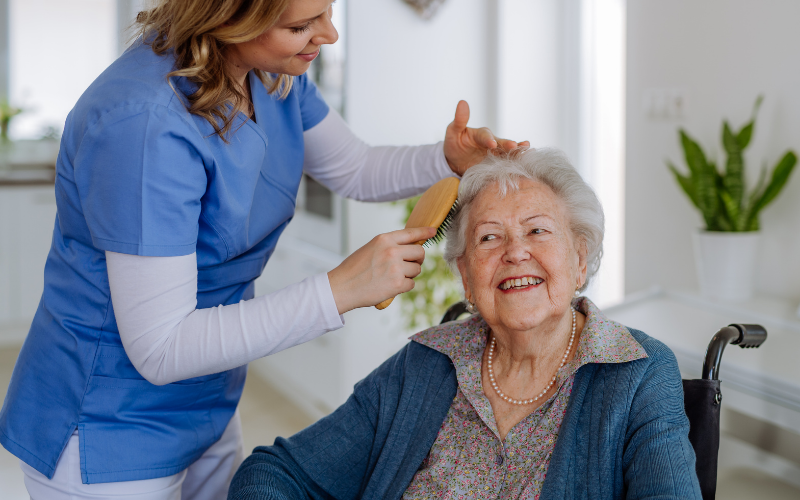
Caring for aging parents is rarely simple, and it becomes even more complex when multiple siblings are involved. Differences in schedules, opinions, and caregiving expectations can easily lead to stress or misunderstandings if they are not addressed early. However, when siblings commit to open communication, shared planning, and mutual respect, caregiving can become a meaningful opportunity to strengthen family bonds while ensuring parents receive the care they deserve.
The key is remembering that no one sibling should carry the entire responsibility alone. A successful caregiving approach depends on teamwork, flexibility, and a willingness to adapt as parents’ needs change over time. When families stay aligned and supportive, they are better equipped to navigate challenges with less conflict and more confidence.
For families who need additional support, professional senior home care can make a meaningful difference. Services like those provided by Assisting Hands Home Care can help ease the daily burden by offering compassionate assistance with personal care, companionship, medication reminders, meal preparation, and more. This added layer of support allows siblings to focus on what matters most, being present for their parents and for each other.
If your family is navigating the challenges of caregiving, you don’t have to do it alone. Give us a call at (561) 566-5989 for more about how our senior home care services can help you care for your elderly parents in BallenIsles, Boynton Beach, Palm Beach, Palm Beach Gardens, North Palm Beach, Singer Island, Wellington, West Palm Beach, FL and surrounding areas

Latest posts by Assisting Hands (see all)
- Hurricane Season with Seniors: Beyond the Basic Battery Checklist - August 5, 2026
- Intergenerational Activities: Fun Ideas for Grandkids & Grandparents - August 2, 2026
- Thoughts From the Families We Serve: Care You Can Count On - July 28, 2026

