
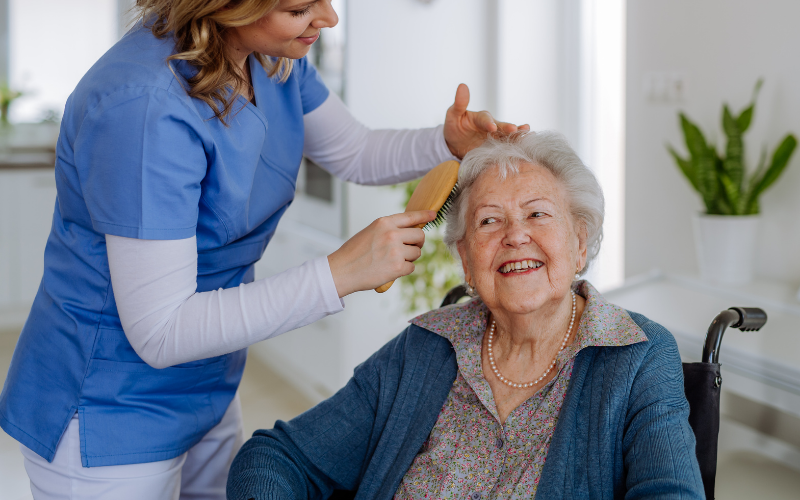
Maintaining personal hygiene, grooming, and dressing routines is about much more than appearance, it plays a vital role in preserving dignity, comfort, and overall well-being for seniors. In aged care, these daily activities can present unique challenges, from limited mobility and chronic conditions to memory loss or reduced dexterity. With the right support, however, dressing and grooming can become opportunities for promoting independence, boosting confidence, and fostering a sense of normalcy in everyday life.
This guide explores the importance of dressing and grooming in aged care, highlighting practical strategies, compassionate approaches, and how caregivers can make these routines more comfortable and empowering for seniors.
How Do Caregivers Support Seniors with Grooming?
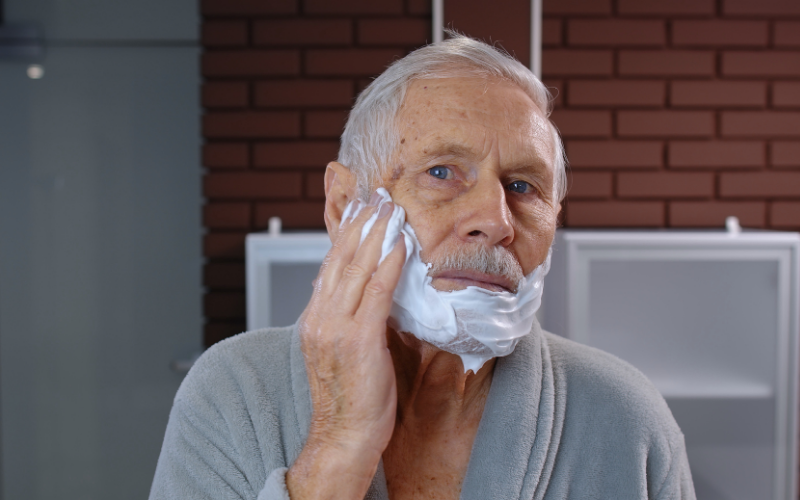
Grooming is an important part of daily living that helps seniors feel clean, comfortable, and confident. For many older adults, however, tasks such as bathing, shaving, hair care, or nail trimming may become difficult due to mobility limitations, arthritis, memory loss, or other health conditions.
Caregivers provide gentle, respectful assistance with grooming activities while encouraging independence whenever possible. They may help seniors choose weather-appropriate clothing, ensure hair and nails are kept neat, or support oral hygiene routines to maintain overall health. Just as importantly, caregivers approach these tasks with compassion and patience, understanding that grooming can be a sensitive and personal experience. By creating a calm, supportive environment, caregivers help seniors feel comfortable and respected, while also promoting safety and hygiene.
Nail Care
Proper nail care is an important part of overall hygiene and health, yet it can be challenging for many seniors. Thickened nails, reduced flexibility, or conditions such as diabetes and arthritis can make trimming and cleaning nails difficult and attempting it without assistance can sometimes lead to cuts or infections. Caregivers play a key role in keeping nails safe, clean, and healthy.
Caregivers can assist by gently filing fingernails and toenails and cleaning under nails to prevent buildup of dirt or bacteria. They also monitor nails for signs of fungal infections, discoloration, or ingrown nails, which can be more serious for older adults with certain health conditions. In some cases, caregivers coordinate with podiatrists or medical professionals for specialized nail care, ensuring seniors receive professional attention when needed.
Shaving
Shaving is an important part of personal grooming that contributes to a senior’s comfort, hygiene, and sense of dignity. However, it can become challenging due to reduced mobility, shaky hands, vision issues, or sensitive skin. Caregivers provide essential support to ensure that shaving is safe, effective, and comfortable.
Caregivers may assist by preparing the necessary tools, such as electric shavers, and by helping seniors maintain a proper posture during the process. They can guide gentle hand movements for those who struggle with dexterity or take full responsibility for the electric shave if needed. For seniors with sensitive or aging skin, caregivers use careful techniques to prevent nicks, cuts, or irritation. In some cases, they also coordinate with healthcare providers for recommendations on safe shaving products or methods, especially for seniors on blood-thinning medications.
Bathing
Bathing is a fundamental part of personal hygiene that helps seniors feel refreshed, healthy, and comfortable. For many older adults, however, bathing can be challenging due to limited mobility, balance issues, chronic pain, or cognitive changes. Caregivers provide the support needed to make this essential daily routine safe, dignified, and stress-free.
Caregivers assist by preparing the bathing area, ensuring non-slip mats, grab bars, and warm water are ready to prevent falls or discomfort. They may help seniors with washing hair, cleaning hard-to-reach areas, and properly drying the body. For seniors who are bedridden or have severe mobility limitations, caregivers can provide sponge baths or use specialized equipment to maintain cleanliness without compromising safety.
In addition to the physical assistance, caregivers approach bathing with patience, respect, and sensitivity, protecting the senior’s privacy and promoting a sense of independence whenever possible.
Skin Care
Healthy skin is essential for overall well-being, but as we age, the skin becomes thinner, drier, and more prone to irritation, bruising, and infections. Seniors may struggle with applying lotions, creams, or medications to hard-to-reach areas, making caregiver support an important part of maintaining skin health.
Caregivers assist by helping seniors cleanse and moisturize their skin daily, paying special attention to areas prone to dryness or pressure sores, such as elbows, knees, and heels. They may also help apply topical treatments prescribed by healthcare providers, monitor the skin for signs of infection, rashes, or unusual changes, and alert medical professionals if issues arise. For seniors with limited mobility, caregivers can gently massage the skin to improve circulation while ensuring comfort and safety.
Hair Care
Hair care is an important aspect of personal grooming that contributes to both hygiene and self-confidence. As seniors age, they may face challenges such as limited mobility, difficulty reaching certain areas, or reduced strength, making tasks like washing, brushing, and styling hair more difficult. Caregivers play a key role in helping seniors maintain healthy, manageable hair while preserving their dignity and comfort.
Caregivers assist by washing and conditioning hair, gently detangling knots, and ensuring it is properly dried to prevent discomfort or scalp issues. They may also help with styling or cutting hair, coordinating with professional hairstylists when necessary. For seniors with sensitive scalps or thinning hair, caregivers use gentle techniques and appropriate products to avoid irritation. Additionally, caregivers monitor for scalp conditions such as dryness, dandruff, or sores, alerting healthcare providers if needed.
Oral Hygiene
Oral health plays a vital role in overall well-being, yet many seniors face challenges with daily oral care due to arthritis, limited dexterity, memory loss, or the use of dentures. Without proper care, issues like gum disease, tooth decay, or infections can develop, which may also affect nutrition and general health. Caregivers provide essential support to help seniors maintain healthy mouths and confident smiles.
Caregivers may assist by helping seniors brush and floss their teeth, cleaning dentures, and ensuring they are stored properly when not in use. They also encourage regular rinsing to keep their mouth fresh and hydrated, especially for seniors who take medications that cause dry mouth. In addition, caregivers keep an eye out for signs of discomfort, swelling, or sores and can arrange dental appointments when professional care is needed.
How Do Caregivers Help Seniors Dress?
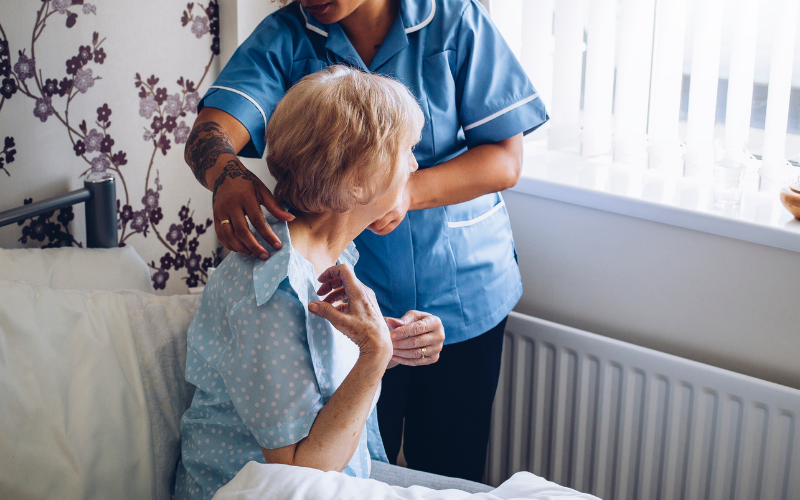
Getting dressed each day may seem simple, but for many seniors it can become a challenge due to limited mobility, arthritis, balance issues, or memory loss. Despite these difficulties, dressing remains an important part of daily life, supporting independence, comfort, and dignity. Caregivers provide the guidance and assistance seniors need to dress safely and confidently.
Caregivers often begin by helping seniors choose clean, weather-appropriate clothing that suits their personal preferences and style. They may assist with fastening buttons, zippers, or shoelaces, or suggest adaptive clothing with Velcro closures and elastic waistbands to make dressing easier. For seniors with mobility concerns, caregivers ensure proper positioning to prevent strain or falls during the process. Just as importantly, they approach dressing with patience and respect, giving seniors as much independence as possible while offering support where needed.
The following are practical tips to help seniors get dressed:
- Choose adaptive clothing: Look for garments with Velcro fasteners, magnetic buttons, or elastic waistbands to make dressing easier.
- Lay out clothes in order: Arrange clothing in the sequence it will be put on (underwear, shirt, pants, socks, shoes) to simplify the process.
- Opt for comfort and safety: Select soft, breathable fabrics and non-slip footwear to prevent discomfort or falls.
- Encourage independence: Allow seniors to do as much as they can on their own, offering assistance only where needed.
- Use seating for stability: A sturdy chair or bed can provide a safe place to sit while dressing, reducing the risk of falls.
- Maintain personal style: Incorporate seniors’ favorite colors, patterns, or accessories to help them feel confident and connected to their identity.
- Ensure clothes are clean: Aging people may have a preference for wearing the same outfit multiple days in a row. Rather than allow seniors to wear unwashed clothes, offer them similar or duplicate outfits. Also ensure that undergarments are washed and clean, as wearing soiled ones can lead to urinary tract infections.
A senior who appears consistently unkempt may be struggling with dressing and grooming and could benefit from extra support. At the same time, relying on a caregiver for such personal tasks can feel sensitive or uncomfortable. Having open conversations early about the senior’s preferences for personal care helps ensure their dignity is respected and makes the experience feel less invasive.
Senior Home Care from Assisting Hands
Sometimes seniors feel more at ease when personal care tasks such as bathing, dressing, and grooming are handled by someone outside the family. In addition, many family caregivers experience exhaustion from providing continuous care. When this happens, turning to Assisting Hands Home Care can provide the relief and support families need. Our professional caregivers are trained and experienced in delivering high-quality senior care with compassion and respect.
At Assisting Hands Home Care, we assist seniors with the activities of daily living (ADLs) including personal hygiene, grocery shopping, light housekeeping, and meal preparation. Our caregivers also provide reliable transportation to medical appointments, senior centers, and wellness activities, helping older adults remain active and engaged.
As a reputable home care agency, Assisting Hands Home Care ensures peace of mind for families. All of our caregivers are bonded, licensed, and insured, so you can trust your loved one is receiving safe, dependable, and professional care.
When your aging loved one needs help with personal care activities, call Assisting Hands Home Care at (561) 566-5989 for dependable senior care solutions. We are privileged to serve seniors living in BallenIsles, Boynton Beach, Palm Beach, Palm Beach Gardens, North Palm Beach, Singer Island, Wellington, West Palm Beach, FL and surrounding areas.

Latest posts by Assisting Hands (see all)
- September is Healthy Aging Month - September 13, 2026
- Questions to Ask When Looking for a Home Care Professional - June 26, 2026
- Caregiver of the Month: Kettie - May 25, 2026

