

Key Takeaways
- Living alone does not cause depression on its own, but the social isolation and loneliness that often come with it are linked to higher rates of depression, heart disease, and cognitive decline in older adults.
- Depression in seniors is easy to miss because it often shows up as fatigue, a poor appetite, irritability, or a fading interest in hobbies rather than obvious sadness.
- Companion care lowers the risk by bringing regular conversation, a steady daily rhythm, trips out of the house, and shared activities back into a senior’s week.
- A consistent caregiver who gets to know your loved one well is in a good position to notice early changes in mood, eating, or sleeping and share them with the family.
- Companion care works alongside medical treatment rather than replacing it, so a senior showing signs of depression should also be seen by their doctor.
For many older adults in Palm Beach County, staying in the home they love is deeply important. The garden they have tended, the neighbors they have known for decades, and the familiar comfort of their own kitchen can all make their home where they want to be as they grow older. But life changes. A spouse may pass away, adult children may move to other states, or giving up driving may make it harder to get out and stay connected. Over time, a home that once felt lively can begin to feel surprisingly quiet.
That isolation can affect more than a senior’s social life. When meaningful conversation, shared activities, and regular connection become less frequent, loneliness can take a toll on mood, energy, and overall sense of purpose. For some older adults, prolonged isolation may also contribute to depression. The good news is that companionship can make a meaningful difference. Regular time with a caring companion can give seniors someone to talk with, activities to look forward to, and encouragement to remain engaged with the people and routines they value.
Below, we’ll explore why social isolation can affect older adults so deeply, the signs that loneliness may be turning into depression, and how companion care can help seniors feel connected, engaged, and more like themselves again.
Why Are Seniors Who Live Alone at Higher Risk for Depression?
Living alone is not a problem in and of itself as plenty of older adults treasure their independence and privacy. The concern is what tends to come along with it. A 2020 report from the National Academies of Sciences, Engineering, and Medicine concluded that social isolation and loneliness in older adults are associated with a higher likelihood of depression, heart disease, dementia, and early death. The report also noted that older adults are more likely to face the circumstances that lead to isolation in the first place, such as living alone, losing a spouse or close friends, managing chronic illness, and coping with hearing or vision loss.
It helps to understand the difference between being isolated and feeling lonely. Social isolation describes an actual lack of contact with other people, while loneliness is the painful sense of being disconnected, which some seniors feel even when family calls every week. A Sunday phone call is wonderful, but it cannot replace the small, everyday interactions that used to fill the days, like chatting over breakfast, running errands with a friend, or sharing a laugh about something on television.
A few other factors can add to the risk for seniors on their own. Giving up the car keys can quietly cut off easy access to church, clubs, and old friends. Chronic pain or mobility challenges can make leaving the house feel like more trouble than it is worth. Over time, staying in becomes a habit, and that gradual withdrawal is often how depression takes hold without anyone noticing.
What Are the Warning Signs of Depression in Older Adults?
Depression in older adults does not always look the way families expect. Instead of obvious sadness, a senior may complain of being tired all the time, feeling achy, or simply being “not up to it.” These concerns can easily be mistaken for normal aging or attributed to an existing health condition, which means depression may go unrecognized and untreated.
Families can gently watch for changes in behavior, mood, and daily routines, including:
- Losing interest in hobbies, social activities, or things they once enjoyed
- Eating less, skipping meals, or experiencing unexplained weight loss
- Sleeping significantly more or less than usual
- Pulling away from phone calls, visits, or other social interaction
- Becoming unusually irritable, withdrawn, or easily frustrated
- Neglecting housework, mail, bills, personal grooming, or other everyday responsibilities
- Expressing feelings of hopelessness, worthlessness, or being a burden to others
- Having new difficulty concentrating, remembering things, or making decisions
One sign by itself does not necessarily mean your loved one is depressed, but several changes that persist for two weeks or longer deserve attention. If you notice this pattern, encourage your loved one to speak with their doctor. Depression is a medical condition that can often be treated, and a healthcare provider can also look for other possible causes, including medication side effects or an underlying health problem.
Most importantly, approach the conversation with patience rather than judgment. Your loved one may not recognize the changes themselves or may have difficulty putting their feelings into words. Simply letting them know that you have noticed something is different and that you are there to help can be an important first step.
How Does Companion Care Help Reduce Depression Risk?

Companion care is non-medical, in-home support focused on a senior’s social and emotional well-being. A companion caregiver provides meaningful company, whether that means sharing a conversation over coffee, taking part in a favorite hobby, going for a walk, or simply being there for the everyday moments that can otherwise feel lonely. They can also lend a hand with practical tasks that help keep the household running smoothly.
Companion care is not a treatment for depression, but regular social connection can help address some of the isolation and inactivity that may contribute to declining mood. Just as importantly, having someone to talk with and look forward to seeing can give a senior greater connection, structure, and purpose from day to day. Here are some of the ways companion care can make a meaningful difference.
1. Regular, Meaningful Conversation
For a senior who has gone days without a meaningful conversation, a friendly visitor who asks about their late husband’s fishing stories or their grandchildren’s latest news can brighten the entire week. Over time, those conversations can grow into a genuine bond, and having someone who knows you, remembers what you shared last Tuesday, and looks forward to seeing you can be a powerful antidote to loneliness.
2. A Steady Daily Rhythm
When no one is expecting you, it becomes easy to sleep late, skip lunch, and let the hours blur together. Knowing that a companion will arrive at the same time on certain days gives a senior a reason to get dressed, plan the day, and stay oriented to the week. That predictable structure supports better sleep and steadier moods, both of which play a part in keeping depression at bay.
3. Getting Out of the House Again
Many seniors who stop driving lose touch with the places that gave their lives shape. A companion can make those outings possible again, whether that means a stroll along the Lake Worth Lagoon, a stop at the library, lunch with an old friend, or a weekly service at their place of worship. Fresh air, sunshine, and familiar faces all do wonders for a person’s spirits.
4. Shared Activities That Restore a Sense of Purpose
Depression often grows out of a feeling that life has narrowed and no longer holds much meaning. Companions help bring back the things that make a day feel worthwhile, from tending a patio garden and baking a favorite family recipe to working on a puzzle, sorting old photographs, or picking up a hobby that was set aside years ago. Doing these things alongside someone else tends to make them far more enjoyable, and it gives a senior something to look forward to.
5. Better Meals and More Movement
Cooking for one can feel like a chore, so many seniors living alone fall into a pattern of snacking or skipping meals altogether. A companion can help plan and prepare nutritious meals and then sit down to share them, which makes eating feel social again. Encouraging a short walk or some light activity during visits also supports physical health, and staying active is closely tied to emotional well-being.
6. Someone Who Notices When Something Changes
Because a companion sees your loved one regularly, they may notice subtle changes before anyone else does, such as an untouched refrigerator, a growing reluctance to leave the house, or a shift in how your parent talks about the future. When these changes are shared with the family early, they can be discussed with a doctor before they develop into something more serious. For adult children who live out of town, having another caring set of eyes on their loved one can provide genuine peace of mind.
How Can Families Support a Loved One Who Lives Alone?
The most helpful place to begin is with a warm, unhurried conversation. Many seniors take great pride in their independence and may worry that accepting help means they are losing it. Rather than presenting companionship as something they need because something is wrong, try framing it as a way to make life at home more enjoyable. Ask what they miss doing, who they wish they could see more often, and what would make their days or weeks feel more fulfilling.
It also helps to make your own contact as consistent as possible, whether that means a standing phone call, a video chat with the grandchildren, or a regular weekend visit. When distance, work, or your own family responsibilities make that difficult to maintain, a professional companion can help fill the gaps between visits. Your loved one can have someone to talk with, share activities with, and look forward to seeing instead of spending long stretches of time alone.
Companion Care Support in Palm Beach County
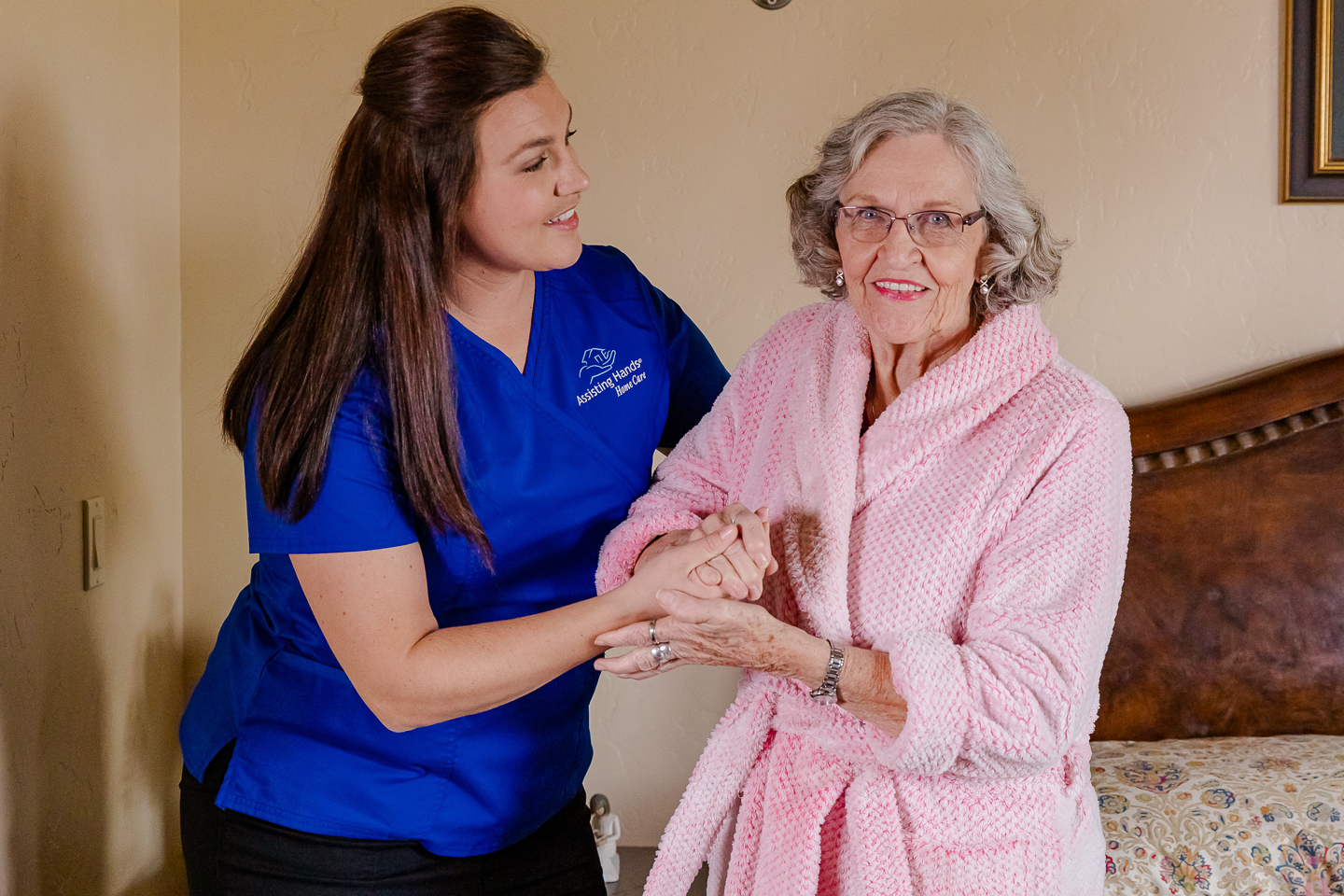
At Assisting Hands Home Care Palm Beach, we believe that feeling connected is just as important to healthy aging as staying physically safe. Our companion care services pair your loved ones with a caregiver whose personality and interests are a good fit, so visits feel less like an appointment and more like time spent with a friend. Our caregivers share conversation, hobbies, meals, and outings, and they can also help with errands, light housekeeping, transportation to appointments, and medication reminders.
We offer flexible schedules, from a few hours a week to daily visits, and every caregiver is licensed, bonded, insured, and background-checked so your family can feel confident about who is spending time with the person you love. If your loved one’s needs grow over time, we can expand their care with personal care, overnight support, or 24-hour care.
Help your loved one feel less alone and more like themselves again. Call Assisting Hands Home Care at (561) 566-5989 to schedule a free in-home consultation and learn more about our companion care in Boynton Beach, BallenIsles, North Palm Beach, Palm Beach, Palm Beach Gardens, Singer Island, Wellington, West Palm Beach, FL and surrounding areas.
Companion Care and Senior Depression FAQs
Can loneliness lead to depression in seniors?
Yes, loneliness and social isolation are both linked to a higher risk of depression in older adults. Seniors who live alone, have lost a spouse, or no longer drive are especially vulnerable, because they may go long periods without meaningful social contact.
How can I tell if my parent is lonely or simply enjoys their own company?
A senior who enjoys solitude usually stays engaged with hobbies, eats well, and looks forward to the plans they make. Loneliness tends to show up as withdrawal, a loss of interest in favorite activities, changes in eating or sleeping, or comments about feeling forgotten or bored.
How often should a companion visit to make a real difference?
There is no single right answer, but consistency matters more than length. Many families start with two or three visits a week so their loved one has a regular routine and a familiar face to look forward to, then adjust the schedule as needs change.
Is companion care a replacement for depression treatment?
No. Companion care is non-medical support that reduces isolation and adds structure and connection to a senior’s life. A senior who shows signs of depression should also be evaluated by a doctor, and companionship can work alongside any treatment their physician recommends.
How do I bring up companion care with a parent who insists they are fine on their own?
Start by asking what they miss doing or who they wish they saw more often, then present a companion as someone who can help make those things happen. Framing it as a way to enjoy home more, rather than a sign they cannot manage, usually makes the conversation much easier.


