
Key Takeaways
- The standard hurricane checklist, water, batteries, flashlights, assumes a healthy, mobile adult and overlooks what puts seniors most at risk.
- Older adults face higher danger from storms due to mobility limits, chronic conditions, cognitive changes, and living alone, with the days after the storm often riskier than the storm itself.
- A senior-specific plan should add a 7 to 30-day medication buffer, a power plan for medical equipment, copies of key documents, a realistic evacuation plan, a non-smartphone communication backup, and support for dementia-related confusion and anxiety.
- Post-storm risks like heat without air conditioning, spoiled food, and emotional strain call for a recovery plan and an in-person check within the first 24 hours.
- Families who live far away or have busy schedules can rely on a professional caregiver to prepare supplies, refill prescriptions early, stay overnight during warnings, and check in when they can’t be there.
Most older adults in Palm Beach County know the hurricane drill by heart. They have lived through the warnings, the boarded windows, and the long, humid days without power. The standard checklist, including water, batteries, canned food, a flashlight, and a full tank of gas, is second nature to anyone who has weathered a few Florida storms.
But that familiar list was written for a healthy, mobile adult who can lift a case of water, climb a ladder to close shutters, and get in a car and drive inland at a moment’s notice. For a senior managing arthritis, a heart condition, memory changes, or a house full of medical equipment, the basic checklist leaves out the things that determine whether a storm is a hard few days or a genuine emergency.
Preparing an aging loved one for hurricane season means thinking past the basics. It means planning for medications, power-dependent equipment, evacuation logistics, and the quieter emotional toll a storm takes on someone who may be facing it alone.
Why Does the Standard Hurricane Checklist Fall Short for Seniors?
Natural disasters affect older adults far more severely than the general population. During Hurricane Katrina, adults aged 75 and older accounted for nearly half of all fatalities, a sobering reminder that emergency plans built for the average person often fail the people who need them most.
The reasons are practical. A senior with limited mobility cannot always evacuate quickly, and rising water or blocked roads turn a manageable situation into a dangerous one. Chronic conditions like diabetes, COPD, or heart disease do not pause during a storm, and a missed dose or a lost prescription can escalate fast. Cognitive changes make it harder to follow rapidly shifting news and evacuation orders. And many older adults live alone, which means there may be no one in the house to notice when something goes wrong.
Add the Florida heat to a multi-day power outage and the risk compounds. A home without air conditioning becomes hazardous for someone whose body no longer regulates temperature well. The generic checklist assumes the lights come back on quickly. For a vulnerable senior, the days after the storm can be riskier than the storm itself.
What Does a Senior Really Need Beyond Batteries and Water?
A senior-specific hurricane plan builds on the basics rather than replacing them. Here are the pieces most families overlook until they are already scrambling.
1. A Medication and Medical Supply Buffer
Pharmacies close during storms, and deliveries stop. The Red Cross recommends keeping a 7 to 30-day supply of medications on hand before hurricane season, stored in a waterproof bag alongside a written list of drug names, dosages, and allergies. Ask the pharmacist about early refills in the weeks before peak season and keep supplies for conditions that are easy to forget such as glucose monitors and test strips, incontinence supplies, wound care items, and any over-the-counter products a loved one relies on daily.
2. A Power Plan for Medical Equipment
Oxygen concentrators, CPAP machines, nebulizers, powered wheelchairs, and refrigerated medications all depend on electricity. Contact the local power company before the season starts and ask to be added to their priority reconnection or “special needs” registry, which many Florida utilities maintain for residents with medical equipment. Know how long a battery backup lasts, keep the manufacturer’s guidance for manual operation handy, and identify where the nearest special-needs shelter is located. Palm Beach County residents can register with the county’s special-needs shelter program in advance rather than during a warning.
3. Copies of Medical and Legal Documents
If a home is damaged or an evacuation becomes permanent, paperwork matters. Gather insurance cards, Medicare and Medicaid information, a current medication list, physician contacts, the deed or lease, power of attorney, and any advance directives into a single waterproof folder. Keep one copy at home and give another to a trusted family member or neighbor. Digital photos of every document, saved somewhere accessible, are a simple backup.
4. A Realistic Evacuation Plan
Floodwaters rise quickly and cut off roads sooner than people expect. A senior who does not drive needs a confirmed ride and a plan to leave earlier than the official evacuation window, before traffic and weather make travel unsafe. Map more than one route to higher ground, and factor in the real logistics of the person’s mobility including how they will manage a walker or wheelchair, how long they can sit in a car, and what they need to bring for a multi-day stay. A plan that looks fine on paper can fall apart if no one has thought through how the person moves.
5. A Communication Plan That Does Not Rely on a Smartphone
Cell service and the internet go down, and phones lose their charge. Write down key phone numbers on paper so they are not trapped in a dead device. Set up an out-of-town relative as a single point of contact everyone checks in with, since long-distance lines sometimes work when local ones do not. A charged battery pack, a car charger, and a battery-powered or hand-crank radio keep a senior connected to emergency information even when the grid is dark.
6. A Cognitive and Emotional Game Plan
For a senior living with Alzheimer’s or dementia, the disruption of a storm including the noise, the strangers, the change in routine, and the move to an unfamiliar shelter can trigger confusion and distress far beyond the physical danger. Keep familiar comfort items packed and ready, maintain daily routines as closely as possible, and consider a medical ID bracelet in case the person becomes separated from caregivers. Even for seniors without memory issues, the anxiety of a storm is real and worth taking seriously. Calm, matter-of-fact preparation does more to ease fear than pretending the risk does not exist.
7. A Post-Storm Recovery Plan
The storm passing does not mean there is no longer a threat. Heat, spoiled food, contaminated water, and downed lines all pose real dangers in the days that follow. Plan for how a loved one will stay cool without air conditioning, keep coolers and ice ready for medications that need refrigeration, and arrange for someone to check on them in person within the first 24 hours. Recovery also means managing the emotional weight of cleanup and sometimes loss, which is where steady, familiar support makes the biggest difference.
How Can Families Support an Aging Loved One Before a Storm?
The most valuable thing families can offer is presence and follow-through. Start the conversation early, before a named storm is on the map, so decisions are made calmly rather than in a rush. Walk through the plan together and be honest about what a loved one can and cannot manage on their own.
For families who live at a distance or juggle demanding schedules, that consistent presence is hard to guarantee. A professional caregiver can fill the gap by helping assemble supplies, refilling prescriptions ahead of time, staying overnight during a warning, and being the person on the ground who checks in when family cannot get there. That kind of reliable support turns a plan on paper into something a senior can count on.
Home Care Support During Hurricane Season
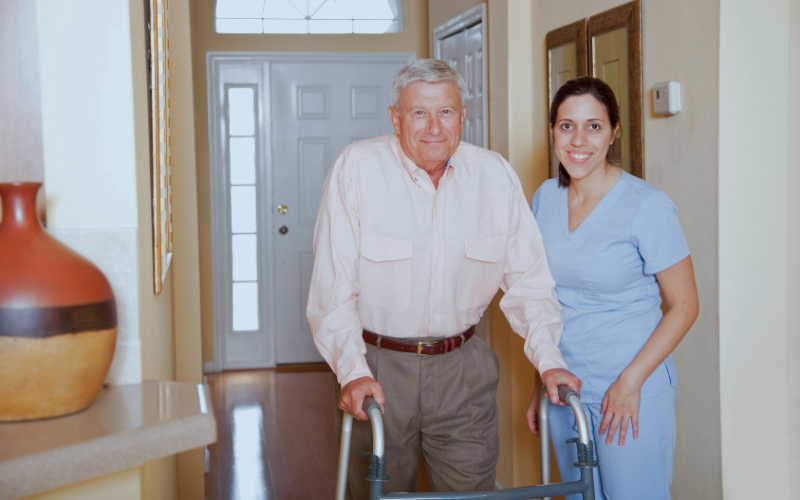
At Assisting Hands Home Care Palm Beach, hurricane readiness is part of how we look after the seniors in our care. We understand the physical and cognitive challenges older adults face during a storm, and our caregivers help with the preparation, the waiting, and the recovery that follows.
Our in-home care services include help with medication reminders, meal preparation, transportation, hygiene, and mobility, along with companionship that eases the anxiety many seniors feel when the sky turns dark. Care schedules are flexible, from occasional visits to 24-hour care and overnight support, and every caregiver is licensed, bonded, and insured for your peace of mind.
Help your loved one face hurricane season prepared and supported. Call Assisting Hands Home Care at (561) 566-5989 to schedule a free in-home consultation and learn more about our senior home care in BallenIsles, Boynton Beach, Palm Beach, Palm Beach Gardens, North Palm Beach, Singer Island, Wellington, West Palm Beach, FL and surrounding areas .


