
Key takeaways:
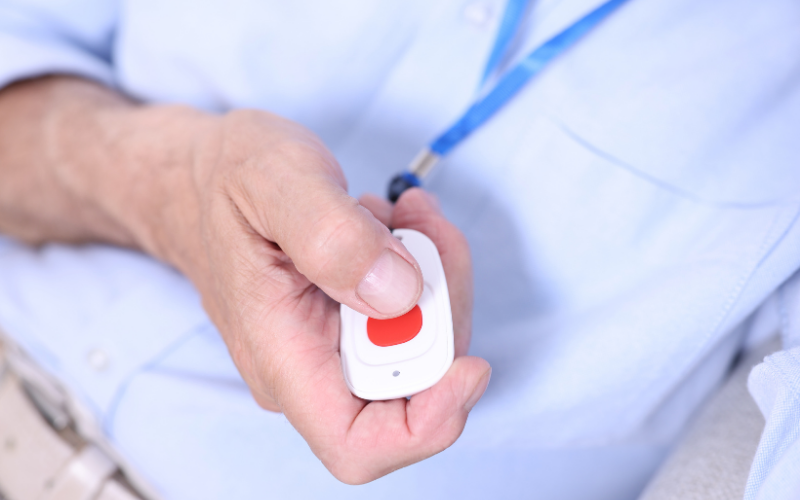
- Medical alert systems are the highest-value device for most seniors living alone, especially models with automatic fall detection and a waterproof button that can be worn in the shower.
- GPS locators are worth considering once memory loss enters the picture, since wandering in Florida heat becomes dangerous within a very short window of time.
- Automatic pill dispensers address the most common medication problem, which isn’t forgetting a dose but taking it twice.
- Every device shares one failure point: it only helps if it’s worn, charged, and filled correctly.
- Technology monitors, but it doesn’t respond, comfort, or adjust. These tools work best alongside regular in-home care rather than in place of it.
There’s a specific kind of worry that settles in once a parent starts living alone, and it usually shows up at night. You’ve already had the hard conversations about driving and stairs and whether the shower needs a grab bar, and things are going fine, but you still find yourself wondering what would happen if your loved one slipped in the bathroom on a Tuesday afternoon when nobody was scheduled to stop by.
Here’s the good news. A handful of simple devices can quietly close some of those gaps, and none of them require your loved one to become a technology person. Medical alert systems, GPS locators, and automatic pill dispensers all do the same basic job in different ways; they keep watch during the hours when no one else is in the room. They don’t replace a caregiver’s hands or a familiar voice. What they do is add a layer of protection between visits, and for a lot of families in Palm Beach County, that turns out to be the difference between staying home and giving it up.
Medical Alert Systems: Where Most Families Should Start
Falls are the leading cause of injury among older adults, and the real danger often isn’t the fall itself, but the hours spent on the floor afterward, unable to reach a phone. A medical alert button drops that wait from hours down to minutes.
The basic version pairs a pendant or wristband with a base station in the home, and pressing the button connects your loved one to a monitoring center that can dispatch help and call the family. Mobile versions work anywhere there’s cell service, which matters for someone who still drives or walks the neighborhood. Many systems now include automatic fall detection, where built-in sensors recognize the motion of a fall and place the call even if your loved one is unconscious or too disoriented to press anything.
A few details make a real difference. Look for a waterproof button, because bathrooms are where a large share of falls happen and a pendant sitting on the nightstand during a shower helps nobody. Ask whether the monitoring center is staffed around the clock and ask how the company handles a false alarm. Most services charge a monthly monitoring fee, and the cheapest option isn’t always the one that answers fastest.
A button in a drawer is just a small piece of plastic. The conversation about wearing it every day matters more than which brand you buy.
GPS Locators: Peace of Mind When Memory Changes

Wandering is one of the hardest parts of dementia for families to prepare for, partly because it tends to arrive without warning. Someone who has walked the same three blocks for twenty years takes a wrong turn one afternoon, and the neighborhood she knows by heart stops making sense. In our climate that situation escalates quickly, and Palm Beach County has no shortage of canals and retention ponds.
GPS locators come in more forms than most families expect. There are smartwatches that look like ordinary watches, small clip-on trackers that ride in a pocket, and insoles that tuck into a favorite pair of shoes, which is often the best answer for someone who takes off jewelry and watches. Most connect to a phone app where you can check a current location and set up a geofence that texts you when your loved one leaves the house or the yard.
It’s also worth knowing about Project Lifesaver, a search-and-rescue program that operates locally in partnership with law enforcement. Enrolled participants wear a radio transmitter, and trained deputies use tracking equipment to locate them, often within minutes. Details and eligibility change, so call to confirm what’s currently offered in your area.
The part nobody likes to talk about is dignity. Being tracked can feel like being treated as a child, and that reaction deserves respect rather than a workaround. When cognition allows, bring your loved one into the decision and frame it honestly; this is so you can keep taking your walks.
Automatic Pill Dispensers: The Problem Families Underestimate
Most people assume the medication risk is forgetting a dose. In practice the bigger risk is doubling up, because someone genuinely can’t remember whether she took her morning pills and decides to be safe rather than sorry. With blood thinners, blood pressure medication, or diabetes medication, that decision can send someone to the emergency room.
An automatic dispenser solves it elegantly. You fill it once a week, and the device keeps every other dose locked away, releasing only what’s due at the time it’s due. An alarm sounds, the correct compartment opens, and that’s all your loved one can reach. If the dose isn’t taken within a set window, better models send a text to whoever is on the list, so you find out the same day instead of discovering a week of missed pills later.
A basic organizer with alarms works fine for someone who is sharp and simply busy. Locking dispensers with remote alerts make sense once memory loss has started or the medication list runs long. Either way, someone still has to fill it correctly and stay on top of prescription changes, which is a real job.
Where Devices Stop and People Begin
Every one of these tools reports information, but none of them interpret it. A dispenser can tell you the pills came out on schedule, but not that your father took them. A fall sensor can call for help, but it can’t help him up or notice he’s been unsteady for three weeks. A GPS locator tells you where someone is after the fact, but it doesn’t keep the front door from opening.
That’s the case for pairing technology with consistent care. A caregiver checks that the pendant is on, notices the charger has been unplugged for two days, sees the dispenser is half full when it shouldn’t be, and catches the small changes on sensor registers. The devices cover the quiet hours. A person covers everything else.
Call Assisting Hands to Talk About Senior Home Care
The right technology can give families valuable peace of mind, but the goal isn’t to turn a home into a collection of sensors and alarms. It’s to make aging at home safer, more manageable, and more comfortable without taking away the independence your loved one values.
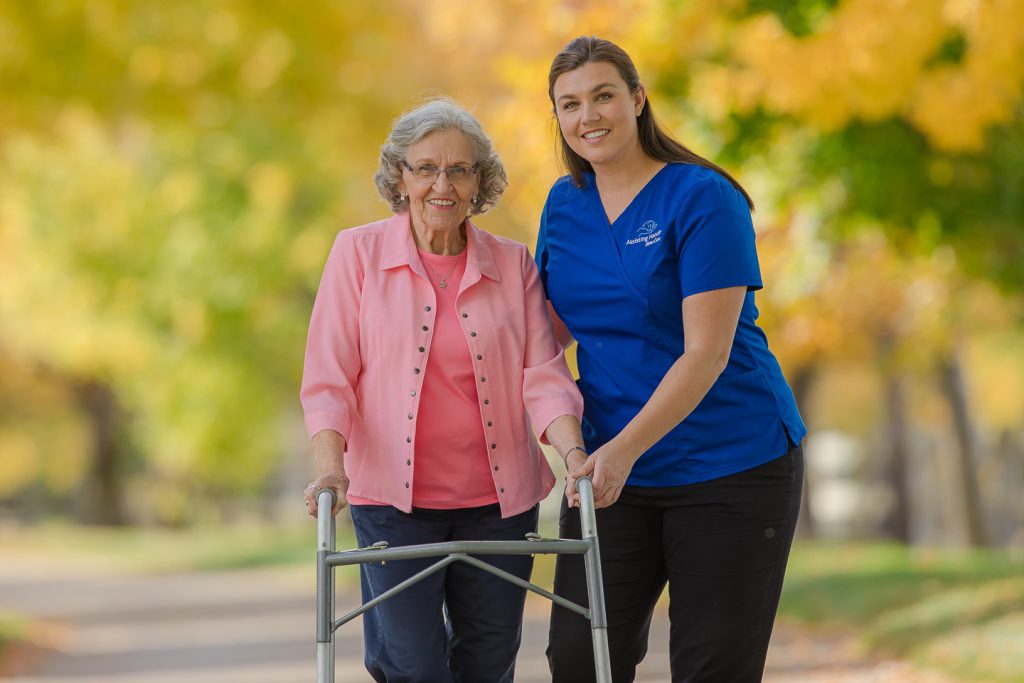
Medical alert systems, GPS trackers, and automatic pill dispensers can fill important gaps between visits, but they can’t replace the human side of care. A caregiver can notice when something seems different, provide hands-on assistance, offer companionship, and help with the everyday routines that allow a senior to continue living at home.
For families in Palm Beach County, that combination can make a meaningful difference. If your loved one needs more support than technology alone can provide, senior home care from Assisting Hands Home Care can provide personalized assistance based on their needs and daily routine. Whether they need help with personal care, meals, medication reminders, light housekeeping, transportation, or simply another friendly person around, in-home care can add the support that a device never could.
To learn more about our senior home care services, call us at (561) 566-5989 and schedule a free consultation. We provide home care for seniors in BallenIsles, Boynton Beach, Palm Beach, Palm Beach Gardens, North Palm Beach, Singer Island, Wellington, West Palm Beach, FL and surrounding areas.


