

Key Takeaways
- Older adults usually need fewer calories but the same or more nutrients, so every meal should count.
- Include protein at every meal. The 2025–2030 Dietary Guidelines suggest 1.2 to 1.6 grams per kilogram of body weight a day.
- Check labels for vitamin D. Fortified milk usually has it, but many yogurts and cheeses don’t.
- Vitamin B12 gets harder to absorb with age, so ask the doctor whether a blood test makes sense.
- Add fiber slowly and drink more water as you do.
- Don’t wait for thirst. Older adults often feel it less, and South Florida heat raises the risk of dehydration.
- Cut back on added sugar, sodium, highly processed foods, and alcohol.
- Shared meals, easier prep, and help with grocery shopping can make healthy eating more realistic.
- Talk with your loved one’s doctor before making major diet changes.
Most older adults need fewer calories than they did at 40, but their bodies still need plenty of essential nutrients, and some may need more protein than before. The practical goal is simple: make every meal count. Include a good source of protein at each meal, along with calcium, vitamin D, B12, and fiber. Staying well hydrated is just as important, while limiting added sugar, excess sodium, and highly processed foods can support better overall nutrition.
October is a good time to take a fresh look at what is on the plate. World Food Day falls on October 16, 2026, and this year’s theme from the United Nations Food and Agriculture Organization (FAO) is “Innovate today. Nourish tomorrow.” The global campaign focuses on food systems and access to nutritious food. At home, that same idea can be simple and practical: making one or two small changes to how a parent or grandparent shops, prepares meals, or eats today can add up to meaningful improvements in nutrition over the year ahead.
Why Nutrition Needs Change with Age
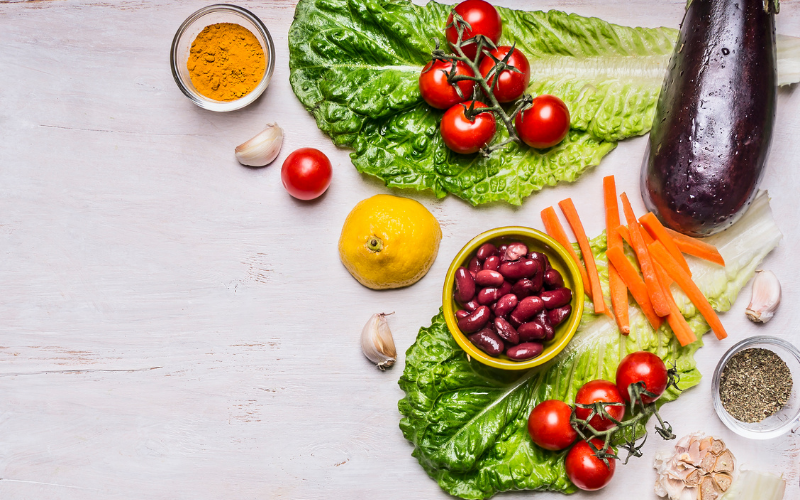
Eating well can become more difficult for reasons that have little to do with willpower. According to MedlinePlus, common challenges include suddenly living alone, having trouble getting to the grocery store, and taking medications that can change how food tastes, cause dry mouth, or reduce appetite. A weaker sense of taste or smell, difficulty chewing or swallowing, and a tighter food budget can make healthy eating even harder.
The Dietary Guidelines for Americans, 2025–2030, released in January 2026, reinforce the same idea: older adults may need fewer calories as they age, but they still need the same and sometimes greater amounts of important nutrients. So rather than focusing simply on eating less, it helps to focus on getting more nutrition from the foods that are eaten. Here are the areas to prioritize:
1. Make Protein Part of Every Meal
Protein helps older adults hold on to lean muscle, which matters for strength, balance, and staying independent. The 2025–2030 guidelines recommend protein at every meal and suggest 1.2 to 1.6 grams per kilogram of body weight per day. For a 150-pound adult, that works out to roughly 80 to 110 grams a day. The baseline RDA for healthy adults is still 0.8 grams per kilogram, so ask the doctor which target fits, especially if kidney disease is a concern.
Good options include eggs, plain Greek yogurt, cottage cheese, chicken, fish, beans, and lentils. Canned salmon, tuna, and crab are easy to keep on hand and turn into a quick lunch. Choose low-sodium versions when you can.
2. Get Enough Calcium and Vitamin D
Calcium and vitamin D work together to keep bones strong and help reduce the risk of osteoporosis. Milk, yogurt, and cheese are good sources of calcium, but vitamin D requires a closer look. Much of the vitamin D in the American diet comes from fortified foods, so checking the nutrition label is important. Fortified milk typically contains vitamin D, while many yogurts and most cheeses do not.
For someone who does not drink cow’s milk, fortified soy milk can be a good alternative, especially when it provides both calcium and vitamin D. Whichever option you choose, plain, unsweetened varieties are generally the better choice. The Dietary Guidelines for Americans, 2025–2030 include full-fat dairy without added sugar, while MedlinePlus and the National Institute on Aging continue to recommend fat-free or low-fat dairy options. If your loved one has heart disease or high cholesterol, talk with their doctor about which choices make the most sense for their individual needs.
3. Don’t Overlook Vitamin B12
The body absorbs vitamin B12 less easily with age, and some common medications can lower levels further. Low B12 can cause fatigue, weakness, and memory problems that are easy to mistake for normal aging. Fish, meat, eggs, dairy, and fortified breakfast cereals are good sources. If you’re unsure whether your loved one is getting enough, ask their doctor about a simple blood test.
4. Add Fiber Gradually
Fiber supports healthy digestion, helps prevent constipation, and can help older adults feel satisfied between meals. Good sources include fruits, vegetables, beans, and whole grains such as oatmeal, brown rice, and whole-wheat bread. For example, a half cup of cooked black beans provides about 7 to 8 grams of fiber.
Adding fiber to meals does not have to be complicated. Try pairing black beans with brown rice or quinoa and a side of broccoli, or keep apples, pears, berries, and bananas on hand for easy snacks. If your loved one is not used to eating much fiber, increase it gradually and encourage plenty of fluids along the way. Adding too much too quickly without enough water can lead to bloating and discomfort.
5. Drink Before You’re Thirsty
Some older adults do not feel thirsty as often as they once did, while certain medications can increase the body’s need for fluids. That combination can make dehydration a real concern, especially in Palm Beach County, where heat and humidity can linger well beyond summer. Even mild dehydration can contribute to dizziness, confusion, falls, and urinary tract infections.
Water is the simplest choice, but it is not the only way to stay hydrated. Milk, unsweetened tea, broth-based soups, and water-rich foods such as watermelon, oranges, and cucumbers can all contribute to daily fluid intake. If plain water is unappealing, try adding a slice of lemon or a few frozen berries for a little flavor. Keeping a filled water bottle within easy reach and offering a drink with each meal can make hydration part of the daily routine. If your loved one has heart failure or kidney disease, however, follow the fluid limits recommended by their doctor.
6. Cut Back on Added Sugar, Sodium, and Highly Processed Foods
Chips, candy, baked goods, soda, and alcohol are examples of what MedlinePlus describes as “empty calories,” foods and drinks that provide plenty of calories but relatively few nutrients. The Dietary Guidelines for Americans, 2025–2030 also recommend limiting highly processed foods and refined carbohydrates.
For something sweet, fresh fruit or a baked apple with cinnamon can satisfy a craving while adding useful nutrients. Convenience foods such as canned vegetables and beans can still have a place in a healthy diet; just look for low-sodium options and rinse canned beans before using them. When dining out, asking for sauces and dressings on the side is another easy way to cut back on excess sodium, sugar, and calories.
The new guidelines no longer set a specific number of alcoholic drinks to have each day. Instead, they emphasize that drinking less is better for health and recommend avoiding alcohol when it can interact with medications. Since many older adults take one or more prescriptions or over-the-counter medications, it is worth asking a doctor or pharmacist whether alcohol is safe with them.
7. Make Meals Easier and More Enjoyable
People often eat better when meals are a social experience. A potluck with friends, cooking with a neighbor, or lunch at a nearby senior center or place of worship can make mealtimes something to enjoy rather than another task to check off. Regular visits from a companion caregiver can help, too, especially for an older adult who spends much of the day alone.
A few simple changes can also address common challenges:
- Food tastes bland: Add flavor, color, and texture with fresh herbs, lemon, roasted vegetables, or a crunchy topping.
- Chewing hurts: Schedule a dental checkup. Poorly fitting dentures and other dental problems can make eating uncomfortable.
- Swallowing is difficult: Mention ongoing swallowing problems to the doctor. They may recommend an evaluation or changes to food and drink textures.
- Appetite is small: Offer nutritious snacks between meals, such as yogurt, nut butter on toast, or a hard-boiled egg.
- Chopping is difficult: Frozen or pre-cut fruits and vegetables can save time and effort without sacrificing much nutritional value.
If grocery shopping or cooking has become difficult, Meals on Wheels and your local Area Agency on Aging can help connect your loved one with meal programs and other nutrition resources in Palm Beach County. A registered dietitian can also create a personalized eating plan that takes specific health conditions, medications, and nutritional needs into account.
This guide is intended for general information only. Before making significant changes to your loved one’s diet, talk with their doctor, particularly if they have a chronic health condition or take multiple medications.
How Assisting Hands Helps Palm Beach County Seniors Eat Well

Good nutrition often comes down to everyday logistics: getting to the grocery store, having the energy to prepare a meal, and remembering to drink enough water throughout the day. Our caregivers can help with those practical tasks while encouraging your loved one to maintain healthy routines:
- Planning and preparing meals that fit the diet recommended by their doctor
- Grocery shopping and transportation to and from the store
- Sharing meals together, so your loved one has some company at mealtime
- Reminders to drink fluids and take medications as scheduled
- Noticing changes in appetite or weight and keeping the family informed
Our non-medical home care is designed to help older adults remain safely and comfortably at home. Caregivers are bonded and insured and receive training in CPR and First Aid, so families can have greater peace of mind while their loved one gets help with the everyday tasks that support good nutrition.
If your aging loved one could use a little extra help at home, senior home care from Assisting Hands Home Care can provide practical, dependable support while helping them maintain their independence. We serve seniors in BallenIsles, Boynton Beach, Palm Beach, Palm Beach Gardens, North Palm Beach, Singer Island, Wellington, West Palm Beach, FL and surrounding areas. Call us at (561) 566-5989 today to schedule an in-home consultation.
Sources
- Nutrition for Older Adults, MedlinePlus, National Library of Medicine
- Dietary Guidelines for Americans, 2025–2030, USDA and HHS
- The New Dietary Guidelines for Americans (2025–2030), Oklahoma State University Extension
- World Food Day, Food and Agriculture Organization of the United Nations
- Find Meals and Services Near You, Meals on Wheels America
- Find a Nutrition Expert, Academy of Nutrition and Dietetics
Senior Nutrition FAQs
How much protein does an older adult need each day?
The Dietary Guidelines for Americans, 2025–2030, suggest 1.2 to 1.6 grams of protein per kilogram of body weight per day, spread across meals. For a 150-pound adult, that is about 80 to 110 grams. People with kidney disease may need less, so check with a doctor first.
How much water should a senior drink?
There’s no single number that fits everyone. Needs depend on body size, activity, medications, and the weather. Because thirst often fades with age, older adults should drink fluids regularly instead of waiting until they feel thirsty. People with heart failure or kidney disease should follow the fluid limits their doctor sets.
Why do older adults lose their appetite?
Common causes include medications that change taste or cause dry mouth, a weaker sense of smell and taste, dental or swallowing problems, lower activity levels, and eating alone. A sudden or lasting drop in appetite is worth mentioning to the doctor.
Is full-fat or low-fat dairy better for seniors?
The 2025–2030 federal guidelines include full-fat dairy with no added sugar, while MedlinePlus and the National Institute on Aging still recommend fat-free or low-fat options. Plain, unsweetened dairy is a good choice either way. Seniors with heart disease or high cholesterol should ask their doctor which is right for them.
Can a home caregiver help with meals?
Yes. Non-medical caregivers can plan and cook meals that follow a doctor’s diet recommendations, shop for groceries, provide company at mealtimes, and remind seniors to drink fluids. They can also let the family know about changes in appetite.
When is World Food Day 2026?
World Food Day is Friday, October 16, 2026. The FAO’s theme this year is “Innovate today. Nourish tomorrow.”


