
Key Takeaways
- High blood pressure starts at 130/80 mm Hg. A reading above 180/120 with chest pain, shortness of breath, weakness, or trouble speaking warrants a 911 call.
- Common over-the-counter pain relievers and decongestants can raise blood pressure. Bring every pill bottle and supplement to the next doctor visit.
- Poor sleep, untreated sleep apnea, and loneliness can raise blood pressure even when diet and medication are on track.
- Most sodium comes from packaged and restaurant food. Added sugar, alcohol, and black licorice can push the numbers up too.
- A full bladder, a recent cup of coffee or a rushed reading can make blood pressure look higher than it is. Measure the same way every time.
About seven in 10 Americans age 60 and older have high blood pressure. Most families know the usual recommendations: limit salt, stay active, and take prescribed medication. But what if your parent is following that advice and their blood pressure is still higher than it should be? The cause may be something less obvious, such as a common cold medicine, poor sleep, or even a daily candy habit.
Some everyday habits, medications, and health factors can affect blood pressure more than families realize. Here are 10 surprising triggers to watch for, along with practical ways to help your loved one manage them.
What Counts as High Blood Pressure?
High blood pressure, also called hypertension, is a reading of 130/80 mm Hg or higher, according to the American Heart Association. The top number (systolic) is the pressure in the arteries when the heart beats. The bottom number (diastolic) is the pressure between beats.
| Category | Top number (systolic) | Bottom number (diastolic) |
|---|---|---|
| Normal | Below 120 | Below 80 |
| Elevated | 120 to 129 | Below 80 |
| Stage 1 hypertension | 130 to 139 | 80 to 89 |
| Stage 2 hypertension | 140 or higher | 90 or higher |
| Severe | Above 180 | Above 120 |
High blood pressure rarely causes symptoms, so how your parent feels tells you very little. Left untreated, it raises the risk of heart attack, stroke, kidney disease, and vision loss. Regular checks are the only way to know where the numbers stand.
10 Surprising Things That Raise Blood Pressure
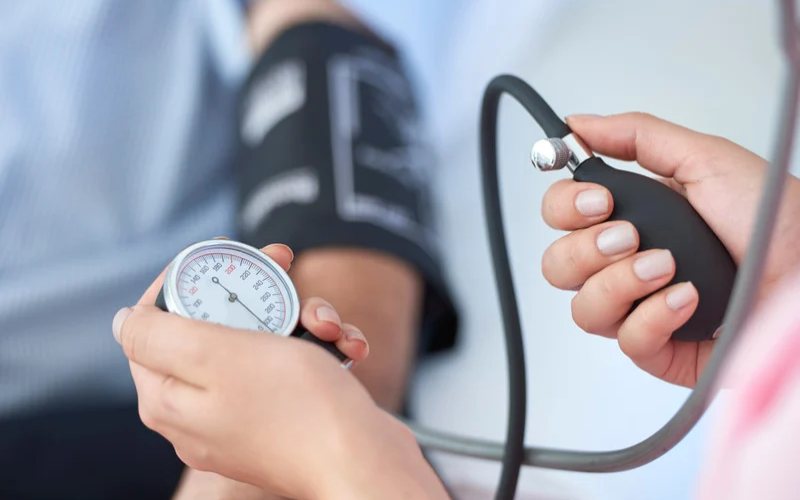
Blood pressure can be affected by more than diet, exercise, and medication. Some everyday habits, common medications, and even seemingly harmless treats can cause readings to rise. Here are 10 lesser-known triggers worth watching for, especially as your loved one gets older.
1. Pain Relievers and Cold Medicine
Ibuprofen (Advil, Motrin) and naproxen (Aleve) make the body hold on to sodium and fluid. That raises blood pressure and can weaken the effect of blood pressure medication. Acetaminophen (Tylenol) was long seen as the safer choice, but a 2022 study in the journal Circulation found that regular daily use raised blood pressure in people who already had hypertension. Decongestants such as pseudoephedrine tighten blood vessels throughout the body, which is how they clear a stuffy nose.
This matters for seniors with arthritis who take a pain reliever every day. Don’t stop any medication on your own. Put every prescription, over-the-counter drug, and supplement in one bag and ask the doctor or pharmacist to review all of it.
2. Sodium Hiding in Everyday Food
More than 70% of the sodium Americans eat comes from packaged and restaurant food, according to the CDC. Canned soup, deli meat, bread, frozen dinners, and bottled dressing are the usual sources. They are also the foods many older adults rely on when cooking for one feels like too much work.
The American Heart Association suggests no more than 2,300 mg of sodium a day, and closer to 1,500 mg for people with high blood pressure. Read labels, rinse canned beans and vegetables, and aim for a few home-cooked meals a week.
3. Too Little Potassium
Potassium helps the kidneys flush out sodium and relaxes the walls of the blood vessels. Many seniors fall short because they eat fewer fruits and vegetables than they used to. Bananas, potatoes, spinach, beans, oranges, and yogurt are all good sources.
People with kidney disease, or who take certain blood pressure drugs, can end up with too much potassium. Check with the doctor before adding a supplement or a salt substitute. Many salt substitutes are made of potassium chloride.
4. Added Sugar
Sugar gets less attention than salt, but a diet high in added sugar is linked to higher blood pressure. It drives weight gain, and the insulin spikes that follow a sugary meal signal the kidneys to hold on to sodium.
Drinks are the biggest source. A 12-ounce can of regular soda has about 39 grams of added sugar. The American Heart Association’s daily limit is 25 grams for women and 36 grams for men. Sweet tea, flavored yogurt, breakfast cereal, and some nutrition shakes add up quickly too.
5. A Nightly Drink
Alcohol relaxes the blood vessels at first, which is why a glass of wine can feel calming. The effect reverses as the body processes the alcohol, and blood pressure climbs. Over time, research links even one drink a day to higher readings.
Alcohol can also interact with blood pressure medication and raise the risk of falls. If your parent drinks, ask the doctor what amount is safe with their prescriptions.
6. Short or Broken Sleep
Blood pressure normally drops overnight. When sleep is short or keeps getting interrupted, that dip doesn’t happen, and readings stay higher the next day. Pain, late-night television, and repeated bathroom trips all cut into a senior’s sleep.
The American Heart Association recommends seven to nine hours a night. A steady bedtime and fewer fluids in the evening help. For seniors who are unsteady on their feet at night, an overnight caregiver can make bathroom trips safer and less disruptive.
7. Sleep Apnea
With sleep apnea, breathing stops and restarts through the night. In severe cases, it happens 30 or more times an hour. Each pause drops the oxygen level and triggers a burst of stress hormones, which keeps blood pressure high around the clock.
Sleep apnea becomes more common with age and weight gain. It often goes unnoticed in seniors who live alone because nobody hears the snoring. Watch for loud snoring, gasping, morning headaches, and dozing off during the day. A sleep study can confirm it, and treatment with a CPAP machine often brings blood pressure down.
8. Loneliness
Chronic loneliness keeps the body’s stress response switched on. AARP reports on a study of adults ages 50 to 68 in which the loneliest participants had systolic readings 10 to 30 points higher than the least lonely.
Seniors who have lost a spouse or given up driving are especially at risk. Regular visits, phone calls, and outings help. So does companion care, which provides your loved one with conversation and company on the days family can’t be there.
9. Black Licorice
Real black licorice contains glycyrrhizin, a compound from licorice root. It makes the body retain sodium and lose potassium, and blood pressure rises as a result. The FDA has warned that for adults over 40, eating 2 ounces a day for two weeks can also cause heart rhythm problems.
Licorice root tea and some herbal supplements carry the same compound. Many licorice-flavored candies sold in the U.S. use anise oil and contain none. Check the ingredient list for licorice extract.
10. Air Pollution
Fine particles from traffic exhaust, smoke and dust irritate the blood vessels and can raise blood pressure within hours. Palm Beach County’s air is usually clean, but smoke and Saharan dust do bring hazy days.
Check the daily air quality index at AirNow.gov. On poor air days, keep your loved one indoors with the windows closed and the air conditioning running. A HEPA air purifier in the bedroom may help. In small studies, portable air cleaners produced a modest drop in systolic pressure.
Need help keeping a parent’s daily routine on track? Call Assisting Hands Home Care at (561) 566-5989.
What Can Make a Reading Look Higher than It Is?
Sometimes, a high reading has more to do with how the blood pressure was measured than with an actual change in your loved one’s blood pressure. Drinking coffee, exercising, or smoking within 30 minutes of a reading can temporarily raise the numbers. Talking during the measurement, crossing the legs, or placing the cuff over clothing can also lead to inaccurate results. Some people also have higher readings at the doctor’s office than at home, a phenomenon known as white coat hypertension.
For more reliable readings at home:
- Have your loved one use the bathroom first.
- Wait 30 minutes after caffeine, exercise, or tobacco.
- Have them sit quietly for five minutes with their back supported and feet flat on the floor.
- Place the cuff on a bare upper arm and rest the arm at heart level.
- Take two readings a minute apart, at the same time each day, and write both down.
Doctors generally want to see high readings on more than one occasion before they diagnose hypertension or change a prescription. A written log of home readings makes that conversation easier.
How Can Families Help a Senior Manage Blood Pressure?
Being aware of the less obvious triggers can help, but the everyday habits still matter most when it comes to keeping blood pressure under control. Families can support their loved ones by focusing on a few important basics:
- Take medication as prescribed: Missed doses are one of the most common reasons blood pressure stays high.
- Stay active: The goal is 150 minutes of moderate activity a week, or about 30 minutes on five days.
- Eat healthier: Eat more vegetables, fruit, beans, and whole grains, and less processed food.
- Lose weight: Lose a little weight if the doctor recommends it. Mayo Clinic estimates blood pressure drops about 1 mm Hg for every 2.2 pounds lost.
- Quit smoking: Every cigarette causes a temporary spike and damages the arteries over time.
If readings stay high on three or more medications, ask the doctor about other causes. Thyroid problems, kidney disease, and a hormone condition called primary aldosteronism can all drive blood pressure up and are often missed.
When Should You Call the Doctor or 911?
If a home reading is above 180/120, wait five minutes and measure again. If it is still that high and your loved one feels fine, call their doctor the same day.
Call 911 right away if a reading that high comes with chest pain, shortness of breath, back pain, numbness or weakness, a change in vision, or trouble speaking. Don’t drive them to the hospital yourself.
How Assisting Hands Home Care Can Help
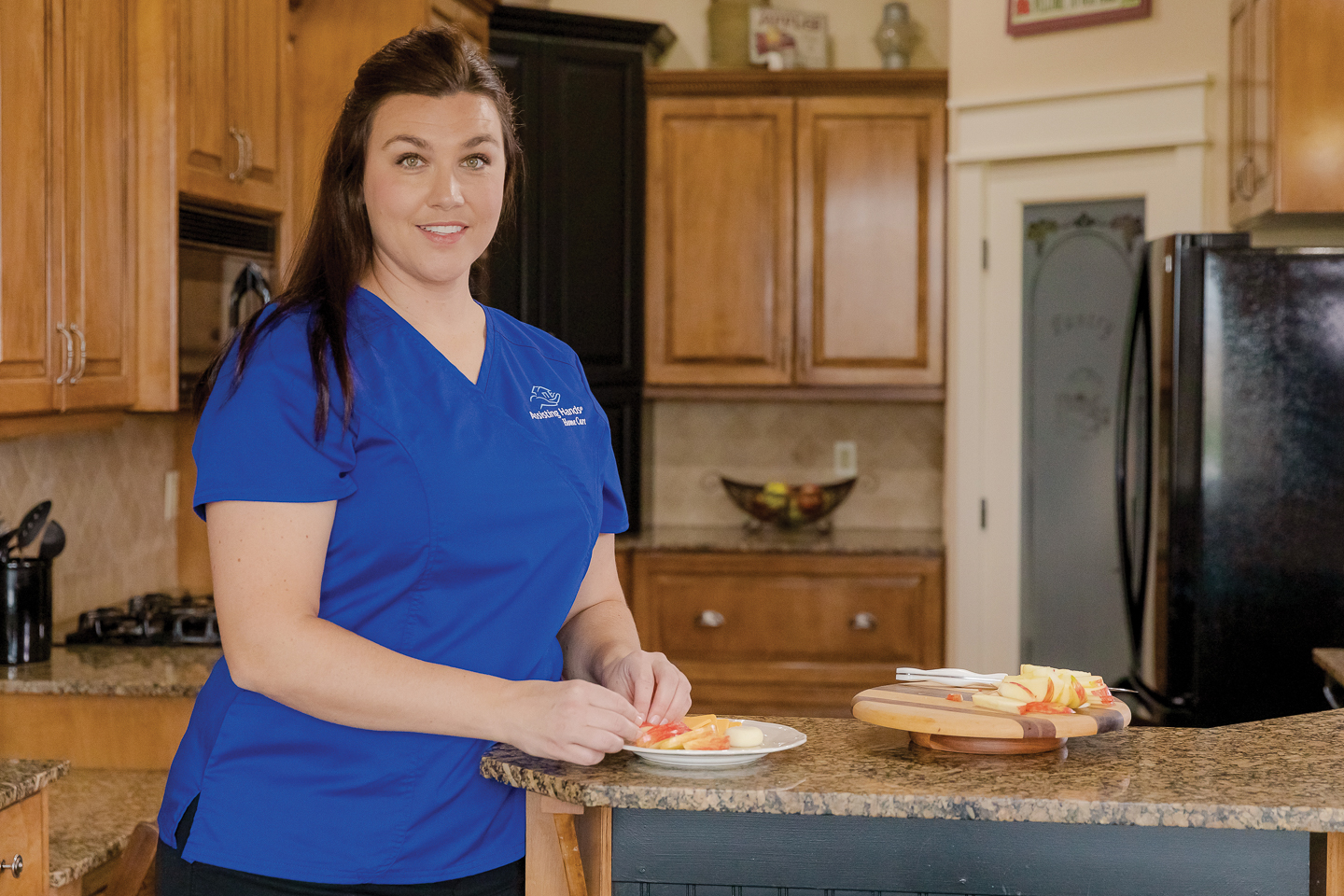
Keeping blood pressure under control takes consistent daily habits, and maintaining those routines can be difficult without a little help. Caregivers from our home care agency support seniors throughout Palm Beach County with medication reminders, grocery shopping, lower-sodium meal preparation, and transportation to medical appointments. We also provide regular companionship, helping seniors stay socially engaged and avoid the isolation that can affect their overall well-being.
Our care is non-medical, so caregivers don’t diagnose conditions or make medication changes. We do, however, pay attention to changes in your loved one’s health or daily routine and keep family members informed.
Assisting Hands Home Care serves BallenIsles, Boynton Beach, Jupiter, Lake Worth, North Palm Beach, Palm Beach, Palm Beach Gardens, Royal Palm Beach, Singer Island, Wellington, West Palm Beach, FL and surrounding areas. Call (561) 566-5989 to schedule an in-home consultation.
This article is for general information and is not medical advice. Talk with your loved one’s doctor before changing any medication, diet or exercise routine.
Surprising Things That Can Raise Blood Pressure FAQs
What can cause a sudden spike in blood pressure in an older adult?
Common causes include pain relievers such as ibuprofen, decongestants, a salty meal, alcohol, caffeine, poor sleep, pain, and stress. A full bladder or a rushed measurement can also produce a falsely high number. Take a second reading after five minutes of quiet rest before drawing conclusions.
Does Tylenol raise blood pressure?
It can with regular use. A 2022 study in the journal Circulation found that taking acetaminophen daily raised blood pressure in people who already had hypertension. Occasional use is less of a concern. Seniors who take it every day should ask their doctor whether it is affecting their readings.
What is a dangerous blood pressure reading for a senior?
A reading above 180/120 mm Hg is considered severe at any age. If it comes with chest pain, shortness of breath, numbness, weakness, vision changes, or trouble speaking, call 911. Without symptoms, measure again after five minutes and call the doctor the same day if it is still that high.
Can lack of sleep raise blood pressure?
Yes. Blood pressure normally drops during sleep. Short or interrupted sleep prevents that drop and keeps readings higher the next day. Untreated sleep apnea has an even stronger effect and is a common reason blood pressure stays high despite medication.
How can a caregiver help a senior with high blood pressure?
A non-medical caregiver can give medication reminders, cook lower-sodium meals, shop for fresh groceries, encourage daily activity, provide rides to appointments, and offer regular companionship. Assisting Hands Home Care provides these services to seniors across Palm Beach County.


